
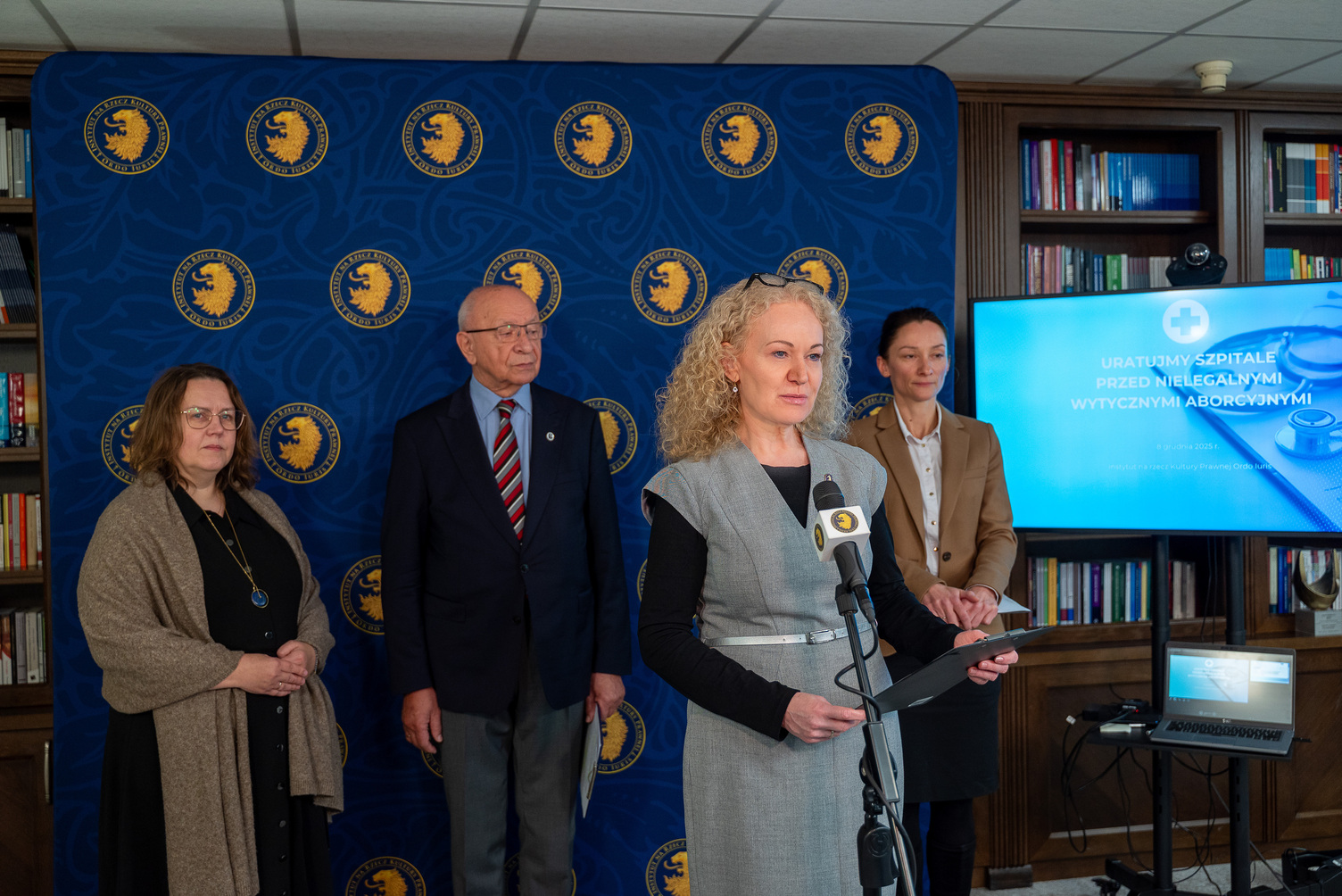
On December 8, at the Ordo Iuris headquarters in Warsaw, there was a presentation of the Ordo Iuris new guide for healthcare entities, including hospitals, on how to use the institutional conscience clause. Reference was also made to previous publications by the lawyers of the Ordo Iuris Institute, addressed to doctors and to midwives and nurses, which aim to clarify issues related to their right to conscientious objection and practical ways of exercising that right. The publication of a guide for healthcare providers coincided with the Ordo Iuris Institute’s publication of an interview with midwives about how their right to conscientious objection is being violated in the context of the so-called abortion guidelines of Donald Tusk’s former Health Minister, Izabela Leszczyna. At the press conference, the voices of hospital directors who were dismissed for their unwavering stance on the protection of life were also heard.
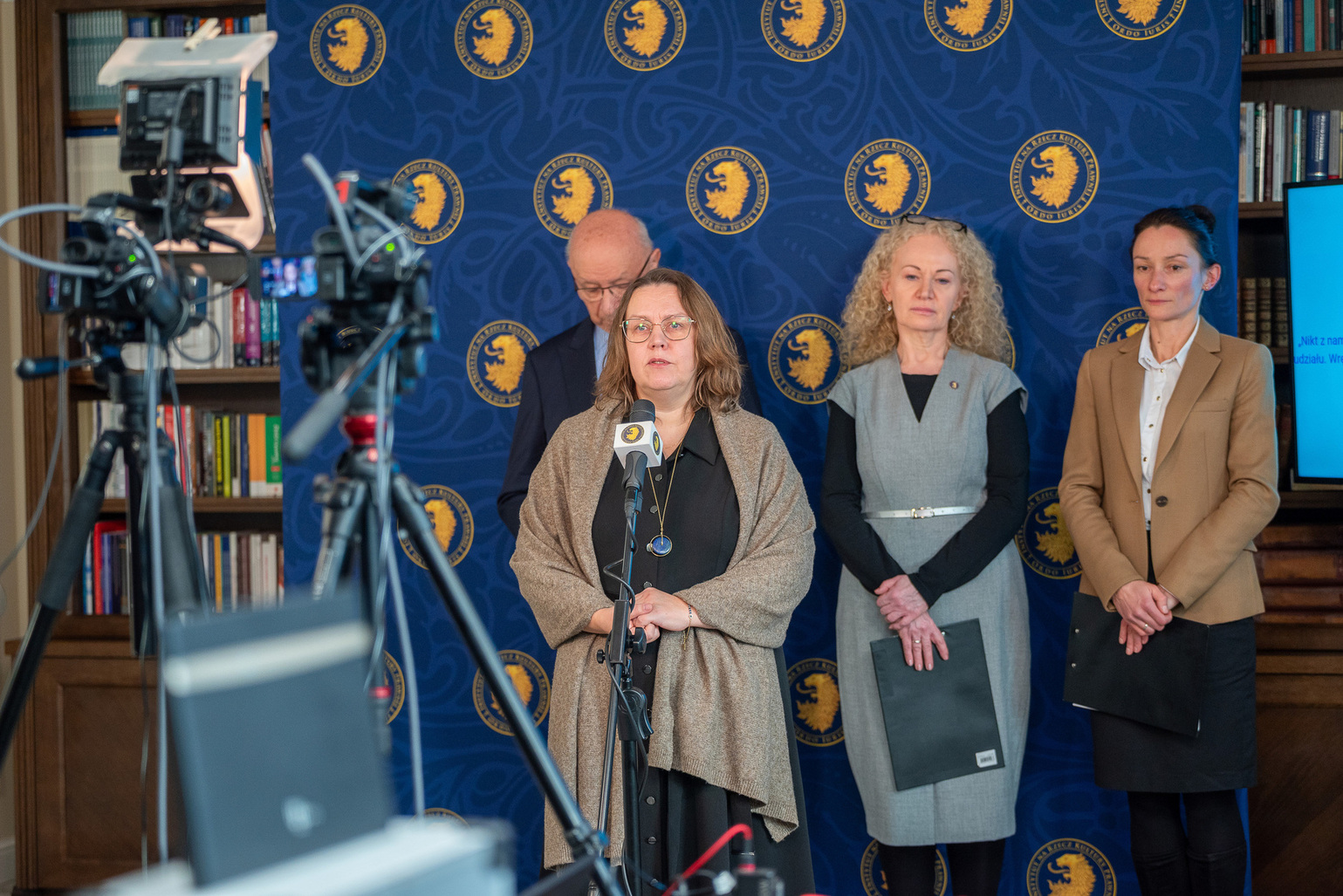
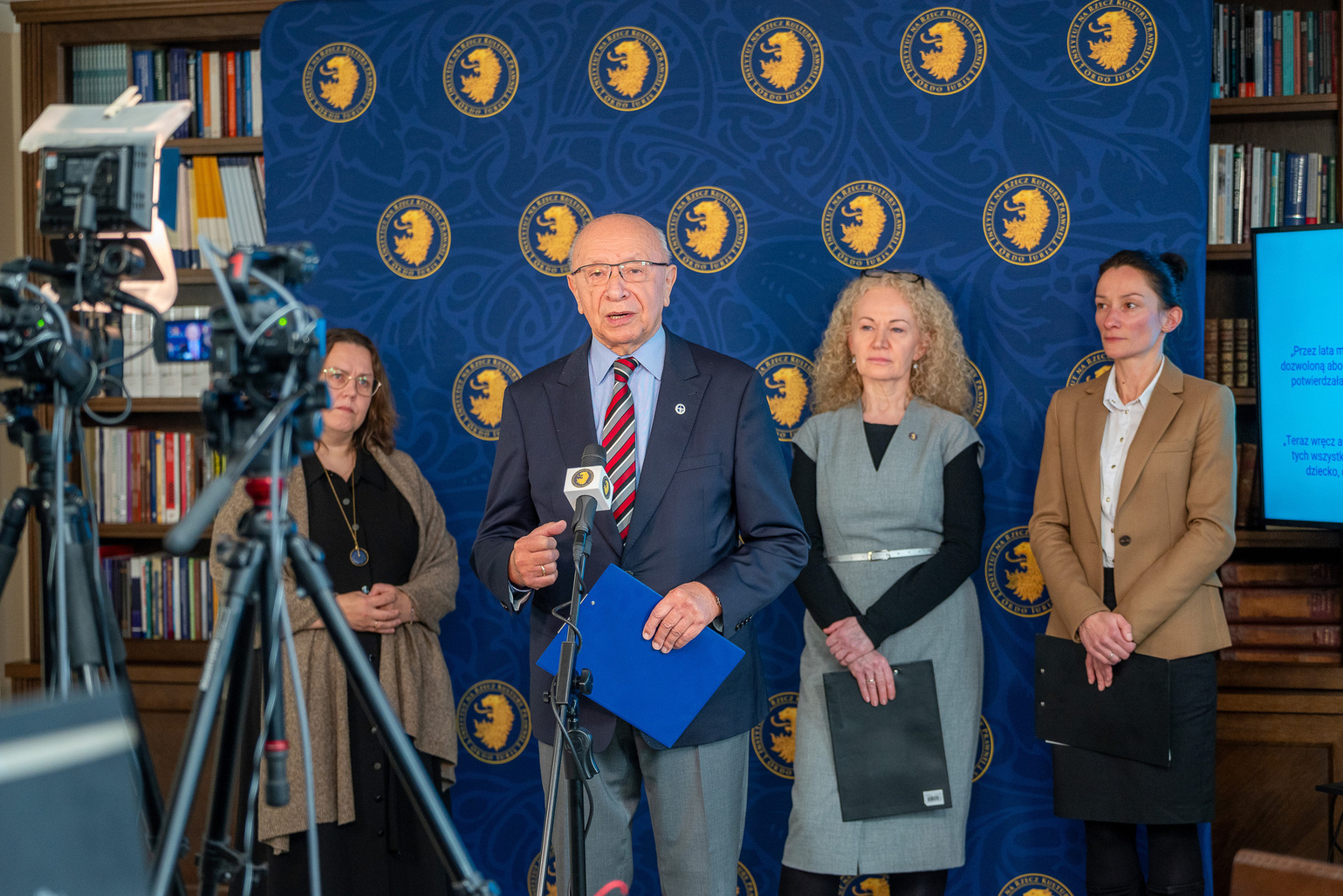
At the press conference titled “Let’s Save Hospitals from the Unlawful Abortion Guidelines,” the following took part: Monika Leszczyńska, vice president of Ordo Iuris; Attorney Katarzyna Gęsiak, responsible at Ordo Iuris for matters related to medical law and bioethics, as well as the author of the new guide for healthcare entities; Agnieszka Chrobak, Ph.D., former director of the A. Falkiewicz Hospital in Wrocław, who opposed the implementation of the guidelines and was dismissed from her position; and Prof. Bogdan Chazan, a gynecologist, former director of the Holy Family Hospital in Warsaw, and a member of the Executive Committee of the European Federation of Catholic Medical Associations.
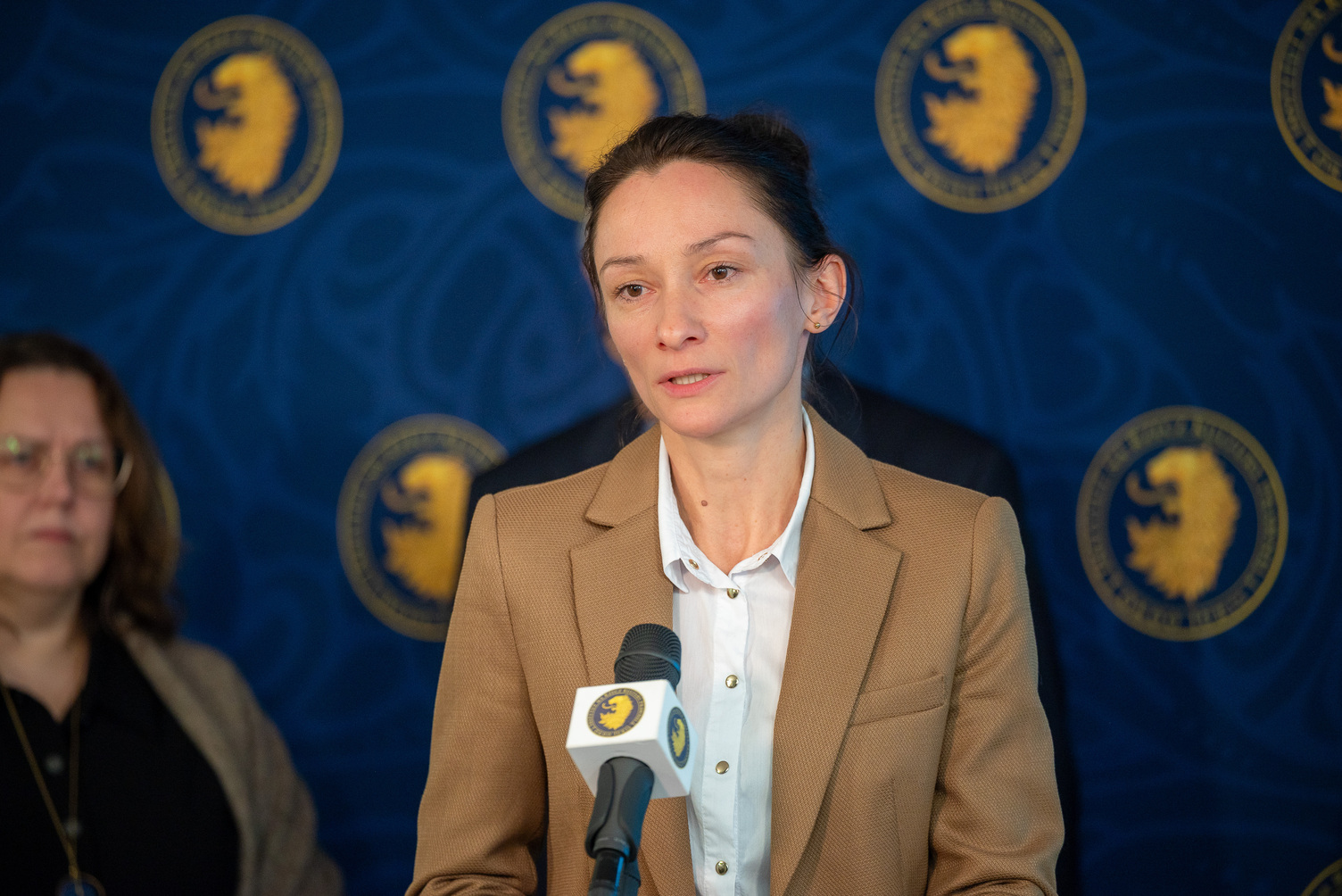
As Monika Leszczyńska noted at the opening of the conference, the new guide from the Ordo Iuris Institute devoted to the conscience clause—this time addressed to hospital management—constitutes yet another response to the guidelines announced on August 30, 2024, by Health Minister Izabela Leszczyna and Prime Minister Donald Tusk that are contrary to the Polish Constitution and Polish law.
Attorney Katarzyna Gęsiak: Freedom of conscience is a constitutional value
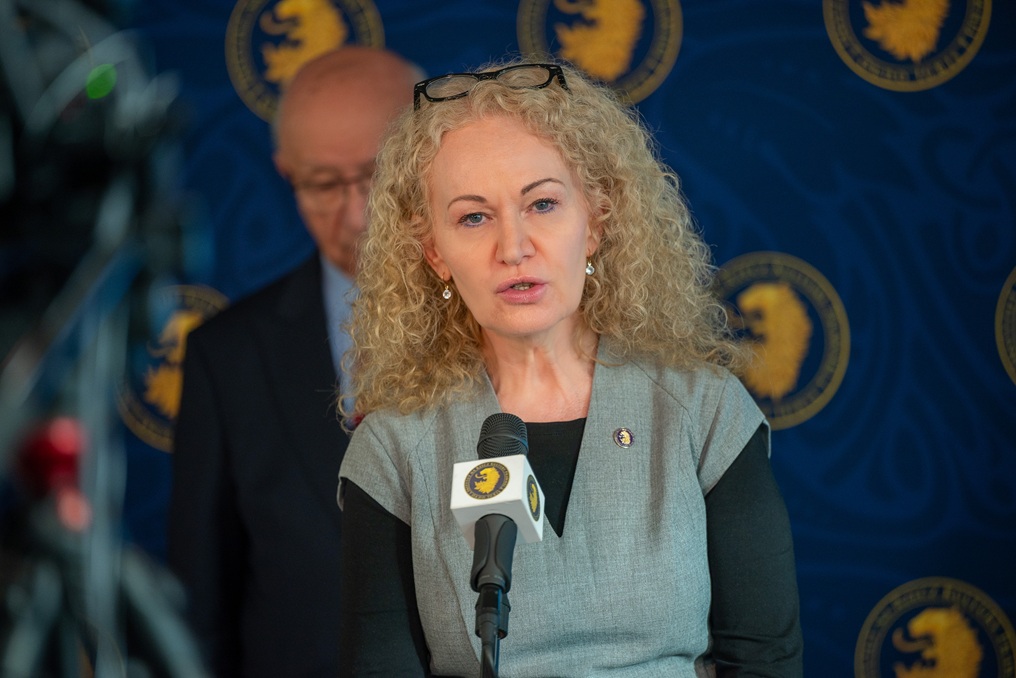
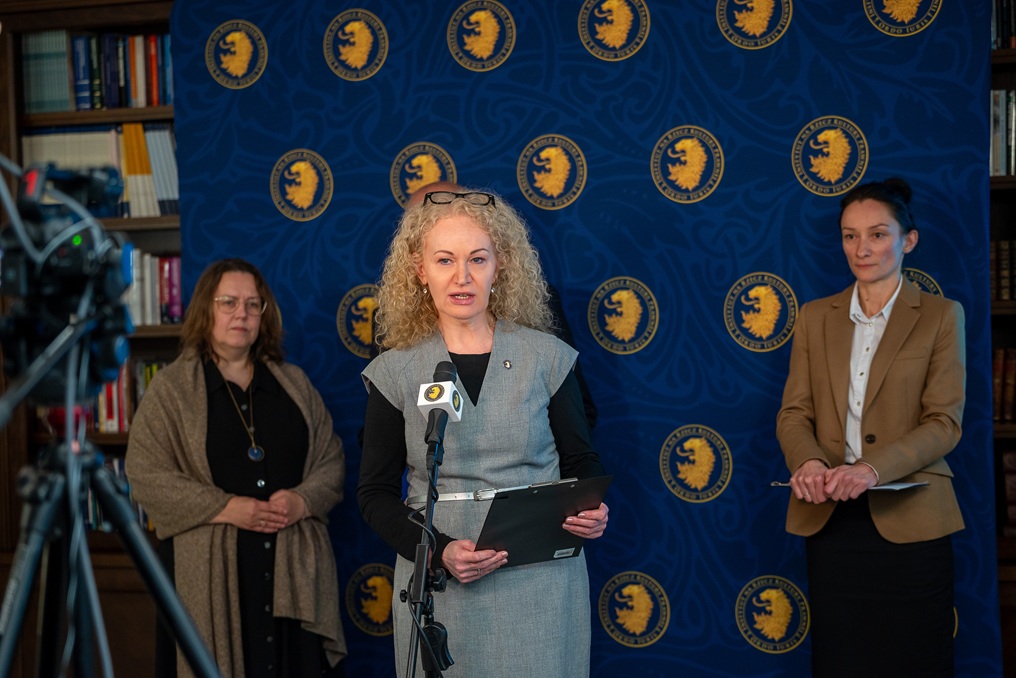
After her, Attorney Katarzyna Gęsiak, the Ordo Iuris Director for Medical Law & Bioethics, took the floor and reminded everyone that freedom of conscience is not a privilege granted by any statute, but a constitutional value confirmed by Poland’s Constitutional Tribunal.
“It belongs to every human being, but also to the institutions that person creates. Therefore, the assertion that an institutional conscience clause does not exist and that only physicians, as natural persons, may invoke it is absolutely false. Moreover, as early as 2010, the Parliamentary Assembly of the Council of Europe held that healthcare institutions are entitled to an institutional conscience clause—that they may, as institutions, as entities comprising natural persons, invoke such a clause.”
Ordo Iuris’ lawyer further explained:
“Our new guide contains a wealth of valuable, practical information, presented in an accessible format designed not only to introduce fundamental topics but also to enable their practical application in the operations of a given facility.”
Attorney Katarzyna Gęsiak also reminded that an institutional conscience clause is possible for all non-therapeutic procedures.
“In particular, such procedures include abortion, gender reassignment surgeries, and in vitro fertilization.”
Prof. Bogdan Chazan: questions about the role of abortion in the health care system
Prof. Bogdan Chazan was the third to speak, beginning with questions that come to mind for many people in healthcare facilities:
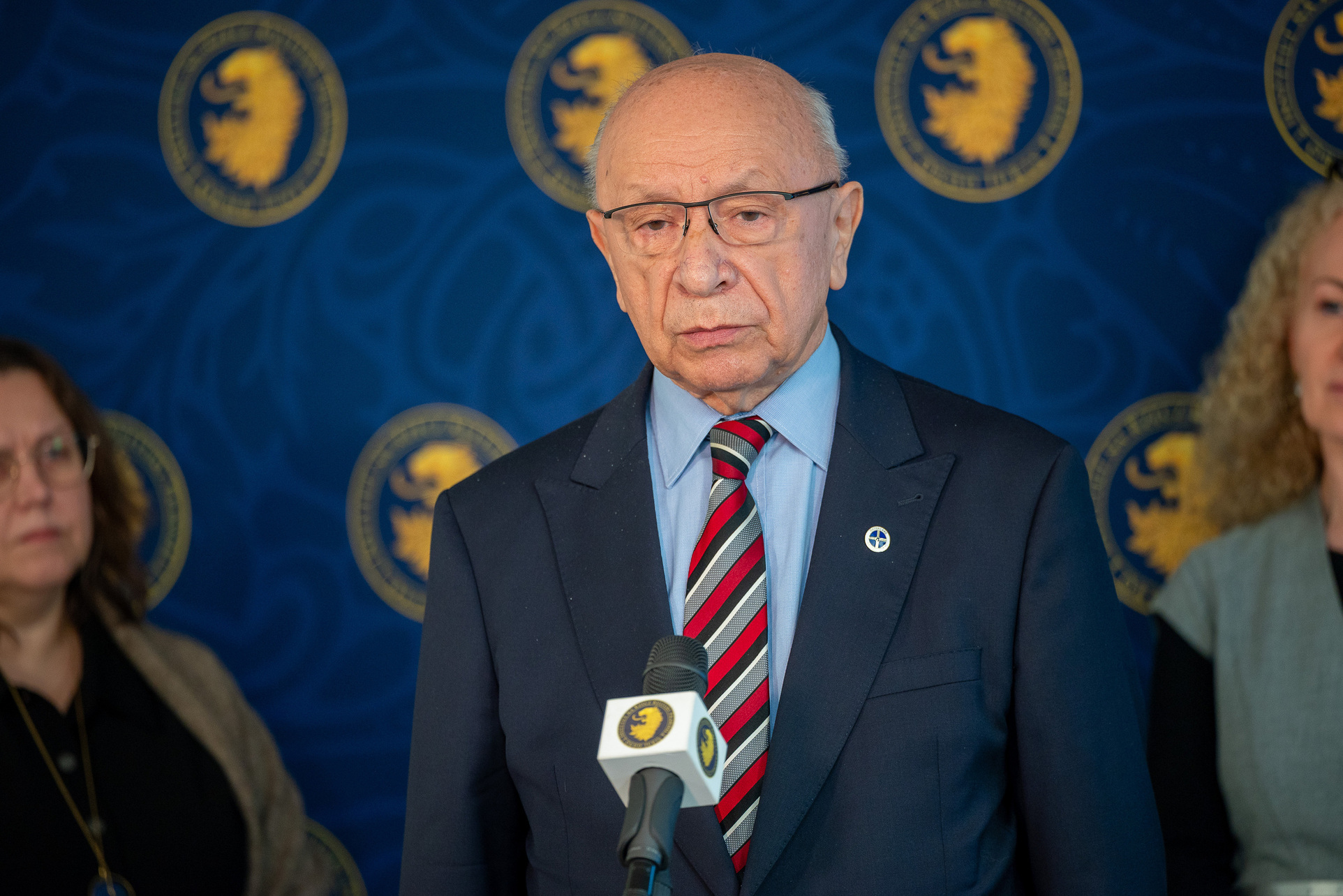
“Why has the procedure of killing an unborn child been deemed so important in maternal and child health care? And finally: why have the collective conscience of the employees of a particular healthcare facility and the individual conscience of those employed there been treated so unfairly and so harshly? Obstetrics and gynecology hospitals vary. Some specialize in infertility treatment; others focus on obstetrics. Yet it follows from this regulation that all of them shall participate; they shall engage in this procedure jointly, simultaneously, and without any restrictions.
As Prof. Chazan pointed out, not all hospitals are adequately prepared for this, especially since, under the mental health grounds that Minister Leszczyna introduced by issuing guidelines, abortion in Poland is supposed to be possible up to the ninth month of pregnancy:
“Not every hospital organized at the first level of care, that is, not every district hospital, will be able to care for a newborn who is born alive as a result of a carried-to-term abortion and is crying out for help. Not every hospital—indeed, no district hospitalat all—has the capability to provide intensive care for such a newborn.”
He also said, as a professor of medicine and former hospital director:
“Never in history has any institution other than a scientific society issued recommendations for medical practice. Meanwhile, these government guidelines are a shameful example of such recommendations that, in fact, constitute an attempt at coercion, an attempt to exert pressure on healthcare workers. I hope that after today’s press conference, my colleagues—gynecologists—as well as hospital directors will have grounds to challenge both the content of the government guidelines and the content of Minister Leszczyna’s regulation.”
The regulation cited by Prof. Chazan provides for financial sanctions against healthcare facilities that refuse to enforce the government’s unlawful abortion guidelines.
Agnieszka Chrobak: The consequences of abortion fall primarily on the woman
Lastly, Agnieszka Chrobak took the floor.
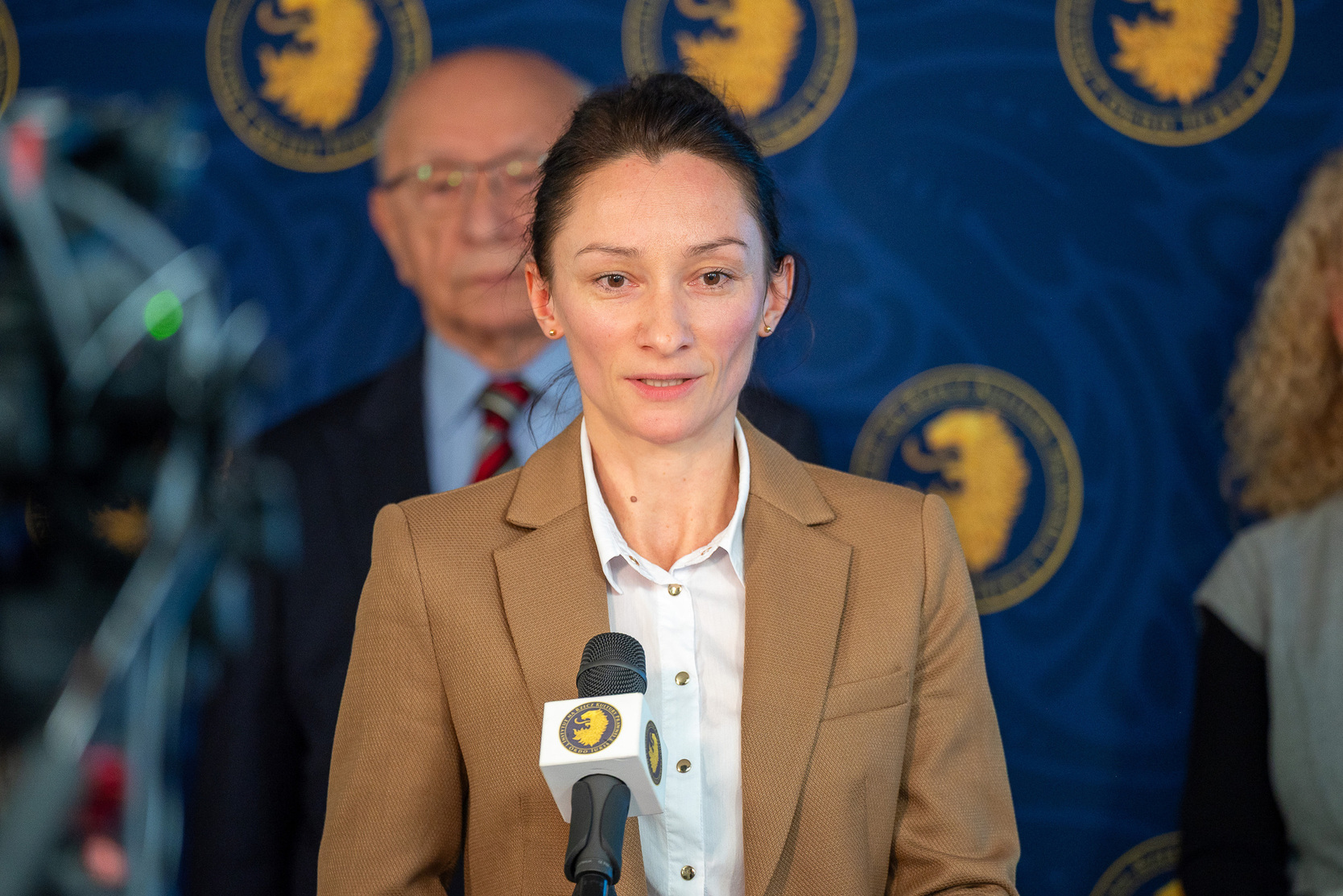
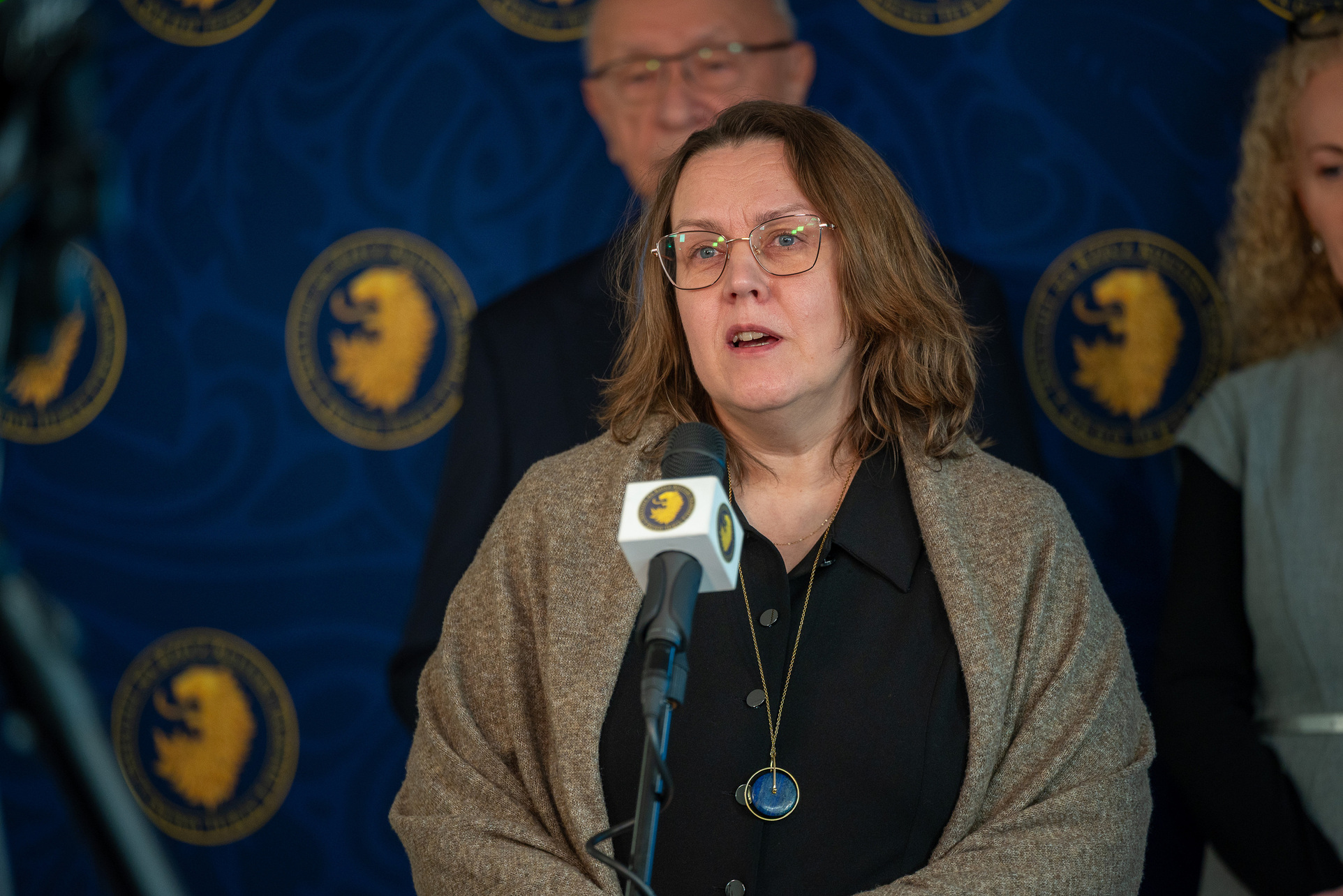
“The greatest consequences of abortion are borne by the patient, the woman who comes with a referral for an abortion, for a termination of pregnancy. I am a scientist, someone who has worked for many years on issues related to reproductive health and infertility. All the more so, informed by medical knowledge, I knew what serious consequences the woman herself faces. Therefore, as director, I sought to provide families and women with complicated pregnancies with a consulting team—a team of specialists who would offer real help, rather than simply performing the easiest option, which is abortion.”
Sharing her own experience, including that from 20 years ago, when she was part of a therapeutic team supporting women after abortion, Dr. Chrobak went on to say:
“I know dozens of women who have made such a decision, and I can say with absolute certainty that the decision to have an abortion is not a woman’s decision. The women I had the pleasure and honor of working with in therapy often came to therapy believing they were 200 percent to blame. Meanwhile, it is we—as facility directors, as medical staff, as families—who have the greatest influence, and it is we who have the duty, but also the pleasure and honor, to support a woman in a difficult situation.”
Dismissed last year from the position of director of the A. Falkiewicz Hospital in Wrocław, Agnieszka Chrobak said in closing:
“I came and took the position of the facility’s director because my main goal was to improve the quality of perinatal care. That is, I was supposed to eliminate the violence that existed at my facility. And abortion, the termination of pregnancy, is the highest form of violence. What kind of world is this if we commit the highest form of violence against an innocent little child? When we realize and imagine this, it seems impossible to us that civilized people could act in such a way. And that is why I made that decision—for moral reasons, of course, but above all with full awareness that abortion, the termination of pregnancy, is the highest form of violence not only against the child, but also against the woman and her family.
The Ordo Iuris Institute for Legal Culture encourages interested individuals to download its free Polish-language guide for healthcare entities entitled “How to Use the Institutional Conscience Clause.”
Meanwhile, during the press conference, Attorney Katarzyna Gęsiak announced that a letter would be sent to the current Health Minister, Jolanta Sobierańska-Grenda, with an appeal for the repeal of her predecessor’s unlawful guidelines as soon as possible. To exert additional pressure on Minister Sobierańska-Gręda, the Ordo Iuris Institute has also launched a petition in Polish titled “Let’s Withdraw Abortion.”
Photos: Ordo Iuris / Tomasz Daniluk
