
main points
1
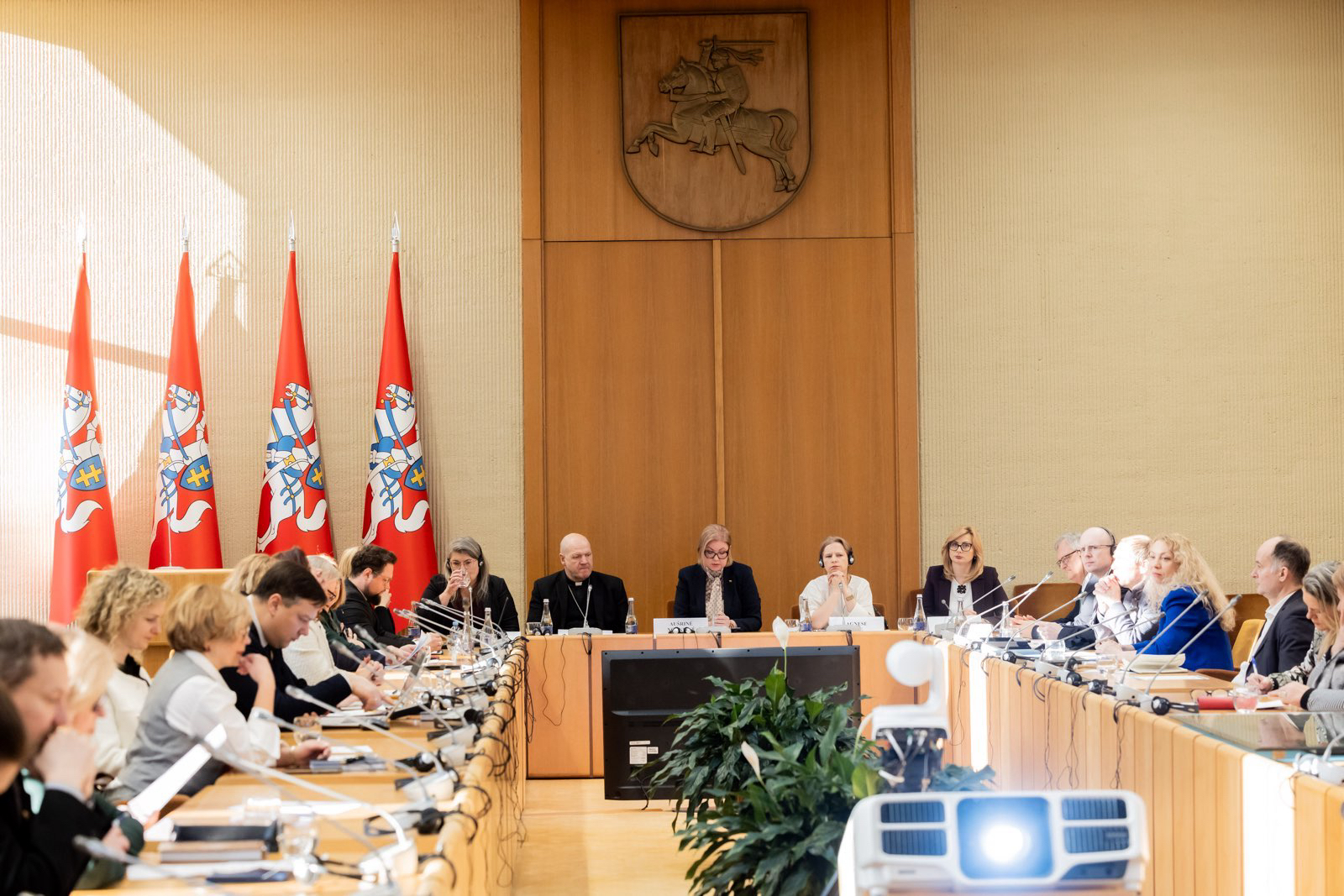
An international conference on demographic challenges and family policy was held in mid-January at the Seimas of the Republic of Lithuania in Vilnius.
2
One of the main speakers was Attorney Jerzy Kwaśniewski, president of the Ordo Iuris Institute.
3
In his address, the Polish lawyer warned of the consequences of the demographic crisis for democracy and the security of states. He also presented an updated draft of the International Convention on the Rights of the Family.
4
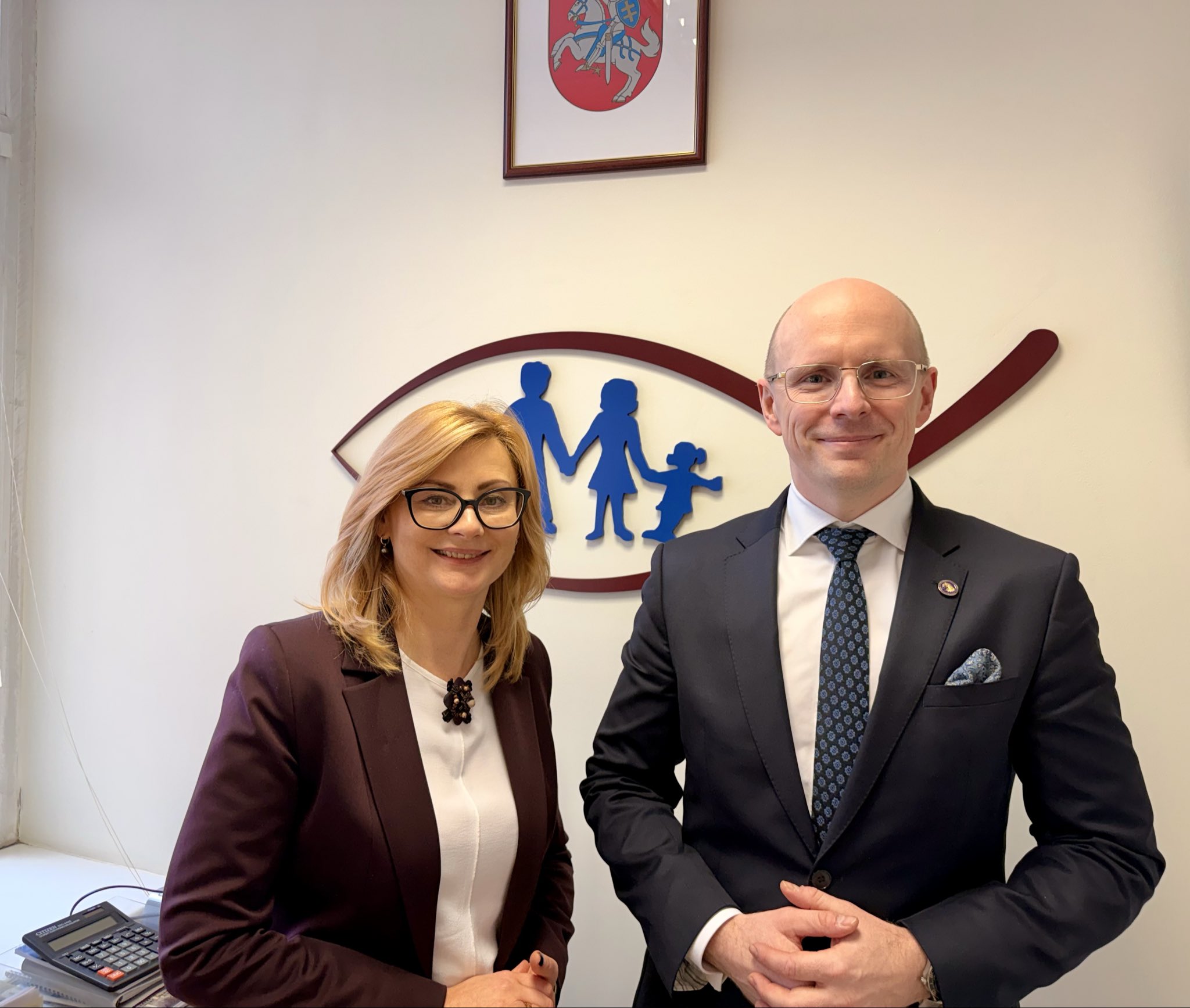
On the sidelines of the conference, a meeting also took place between Jerzy Kwaśniewski and the Minister of Justice of the Republic of Lithuania, Rita Tamašunienė.

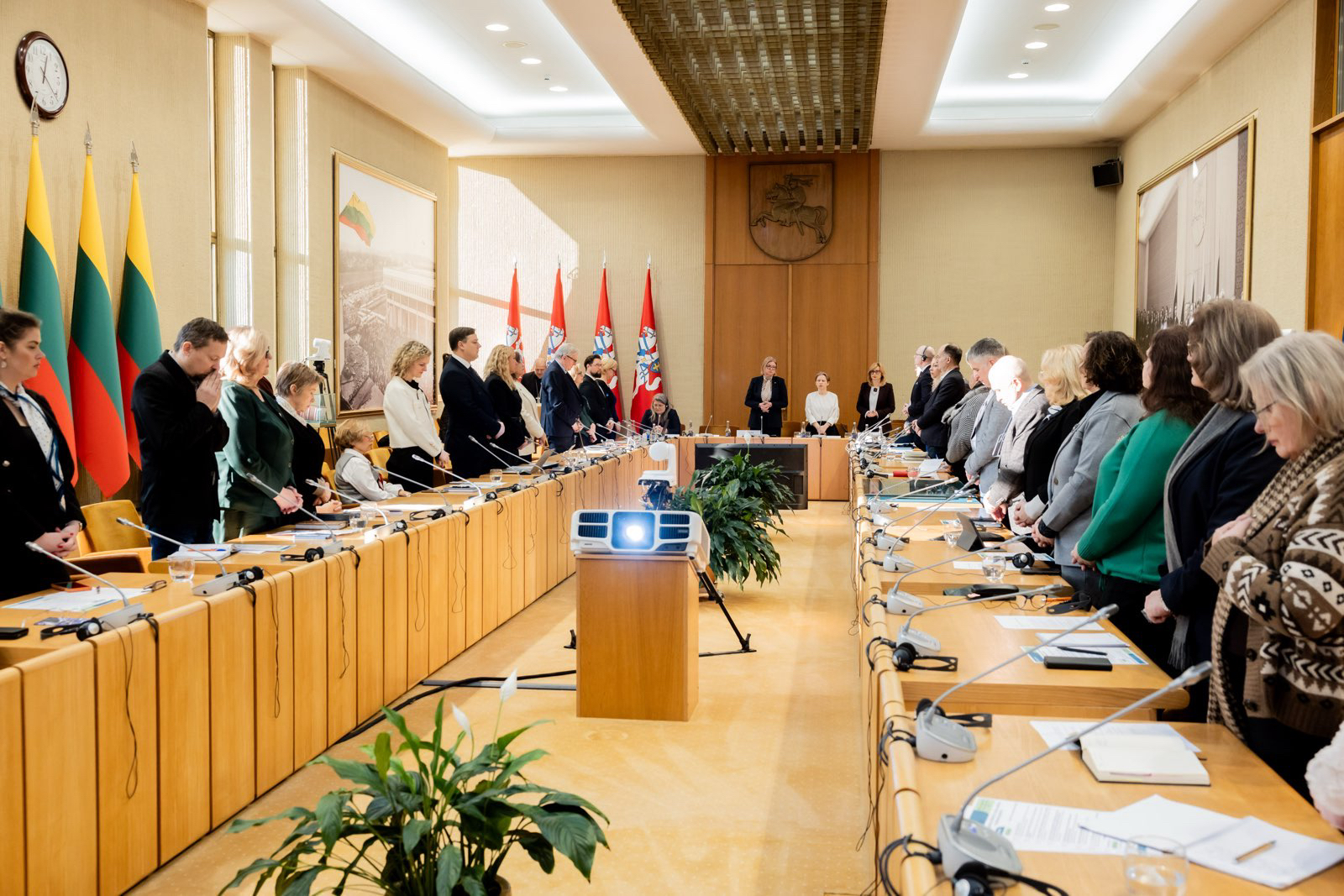
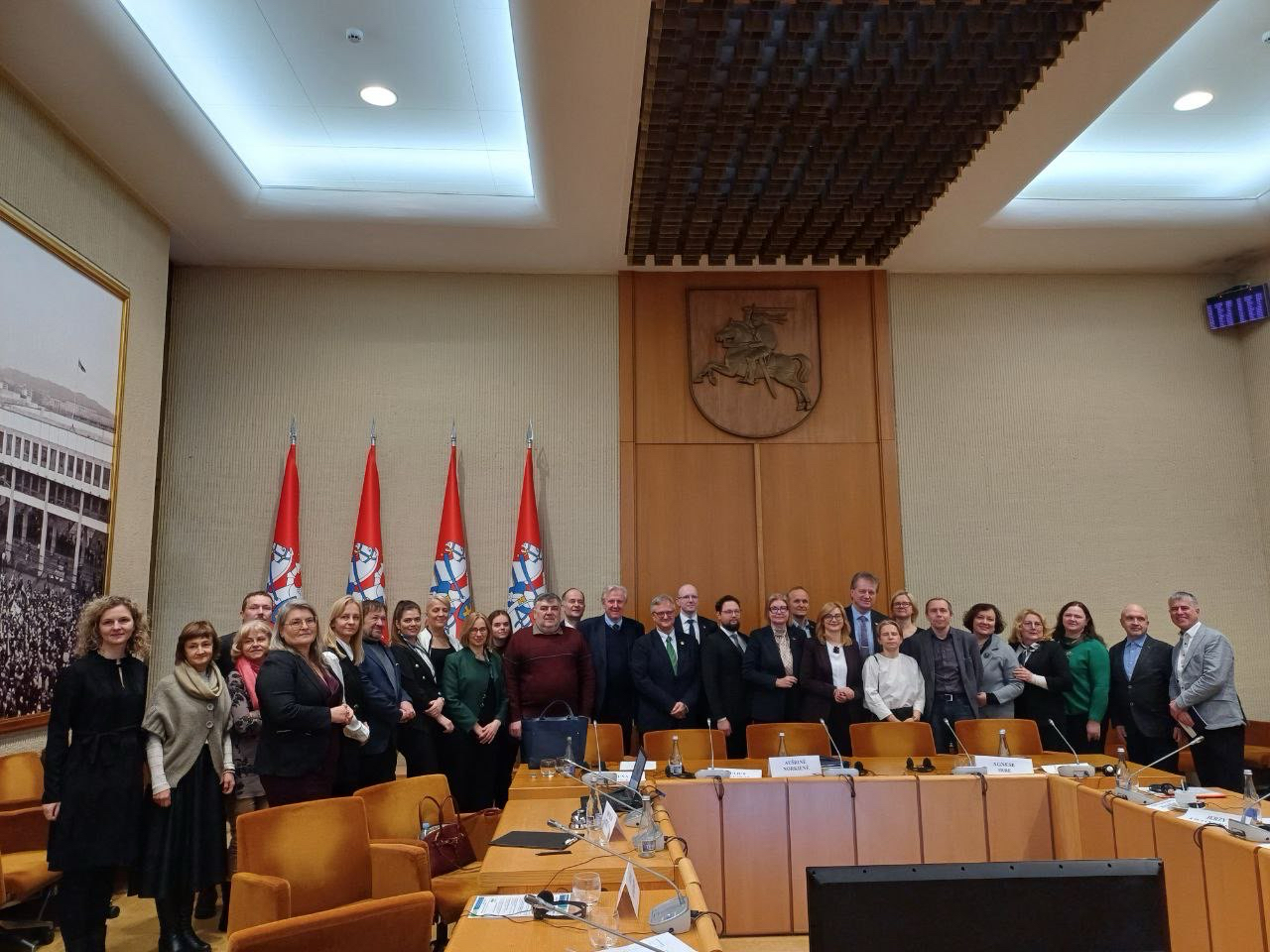
On January 14, in the Constitutional Hall of the Seimas of the Republic of Lithuania in Vilnius, a conference titled “Demographic Challenges and Family Policy – International Experience” was held, organized by the Temporary Family Policy Group of the Seimas of Lithuania and the Social Initiatives Forum “Family 2050.” Experts and parliamentarians from Lithuania, Poland, Hungary, Slovakia, Latvia, and Ukraine took part in the event. The aim of the conference was to exchange experiences and to diagnose the causes of the demographic crisis in Europe, as well as to present solutions in the field of family policy. The discussion addressed both demographic data and the cultural and legal determinants of the decline in the fertility rate.
One of the speakers was Jerzy Kwaśniewski, the president of Ordo Iuris. In his speech, he pointed out that Europe is facing a civilizational crisis.
“It is a decisive moment. We stand on the brink of the annihilation of our nations, our civilization, and our culture,” the Polish lawyer noted.
He also emphasized the fundamental role of the family in democracy:
“Without a stable and secure family, there is no democracy. Without the family, freedom becomes fragile. Without families, nations lose their future,” he remarked.
Jerzy Kwaśniewski noted that family policy has ceased to be just one of many areas of government and has become a matter of survival.
“ Family policy and demographic policy are no longer secondary issues; they have become matters of survival for our nations, our cultures, our economies, and our democracies,” he said.
The president of the Ordo Iuris Institute also drew attention to the dramatic decline in fertility in Central Europe:
“In almost every country in Central Europe, fertility rates have fallen far below the level needed to replace older generations,” warned Jerzy Kwaśniewski.
He pointed out that the effects of the demographic crisis are tangible and affect entire societies:
“These are not abstract numbers. They translate into collapsing pension systems. Labor shortages. Pressure on healthcare. Rising migration pressure. Risk of “replacement migration” policies being implemented by governments, even against the will of the people. And, ultimately, they will lead to loss of national identity and national security.
The President of Ordo Iuris also emphasized that the sources of the crisis are cultural and ideological in nature, rather than purely economic:
“The problem is not centered on the material status of families. It is cultural. Legal. And anthropological.”
In response to these challenges, Jerzy Kwaśniewski presented the draft of the International Convention on the Rights of the Family, which affirms the family as a natural and fundamental social unit and highlights the need to pursue public policies aimed at strengthening it.
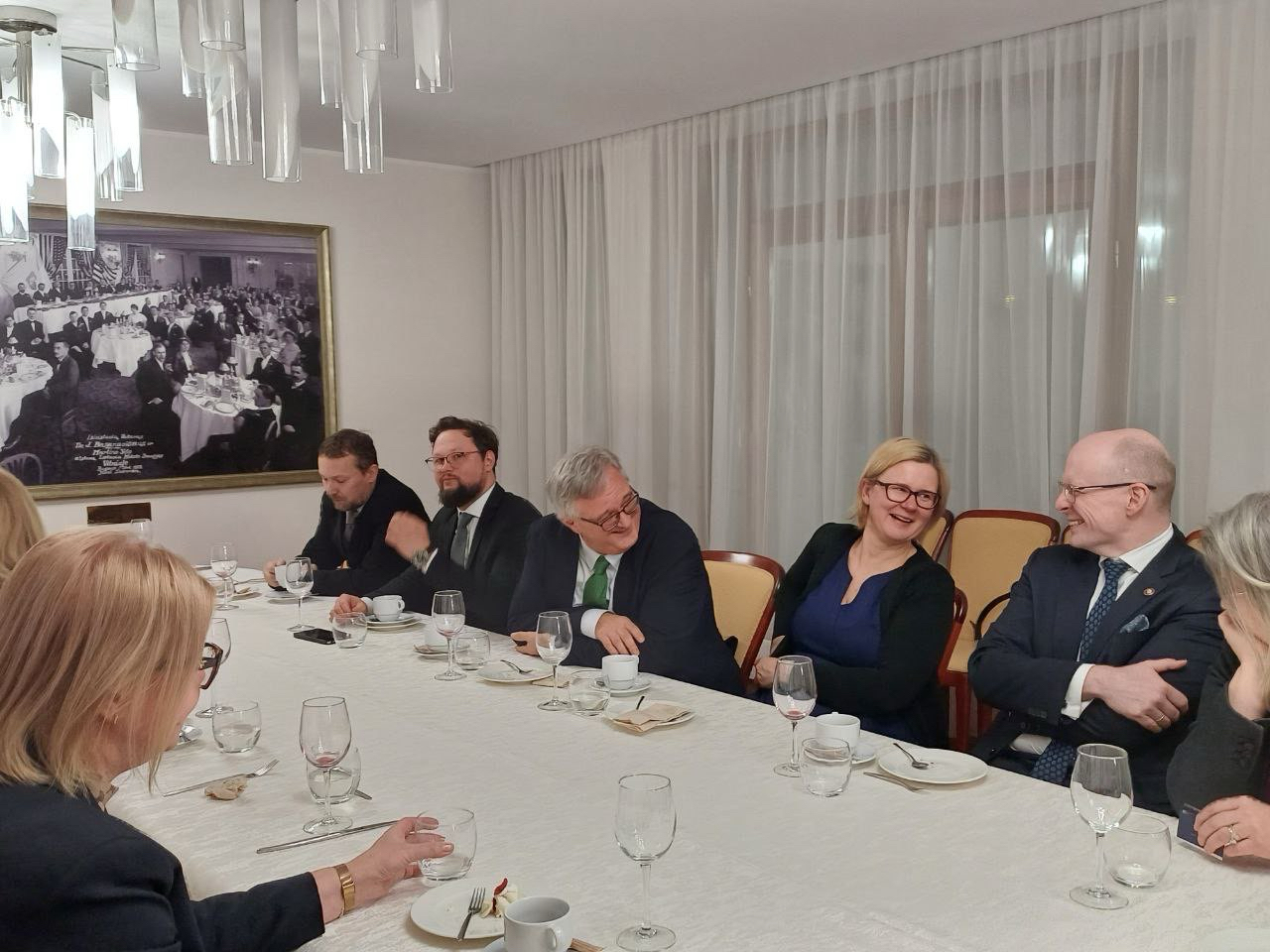
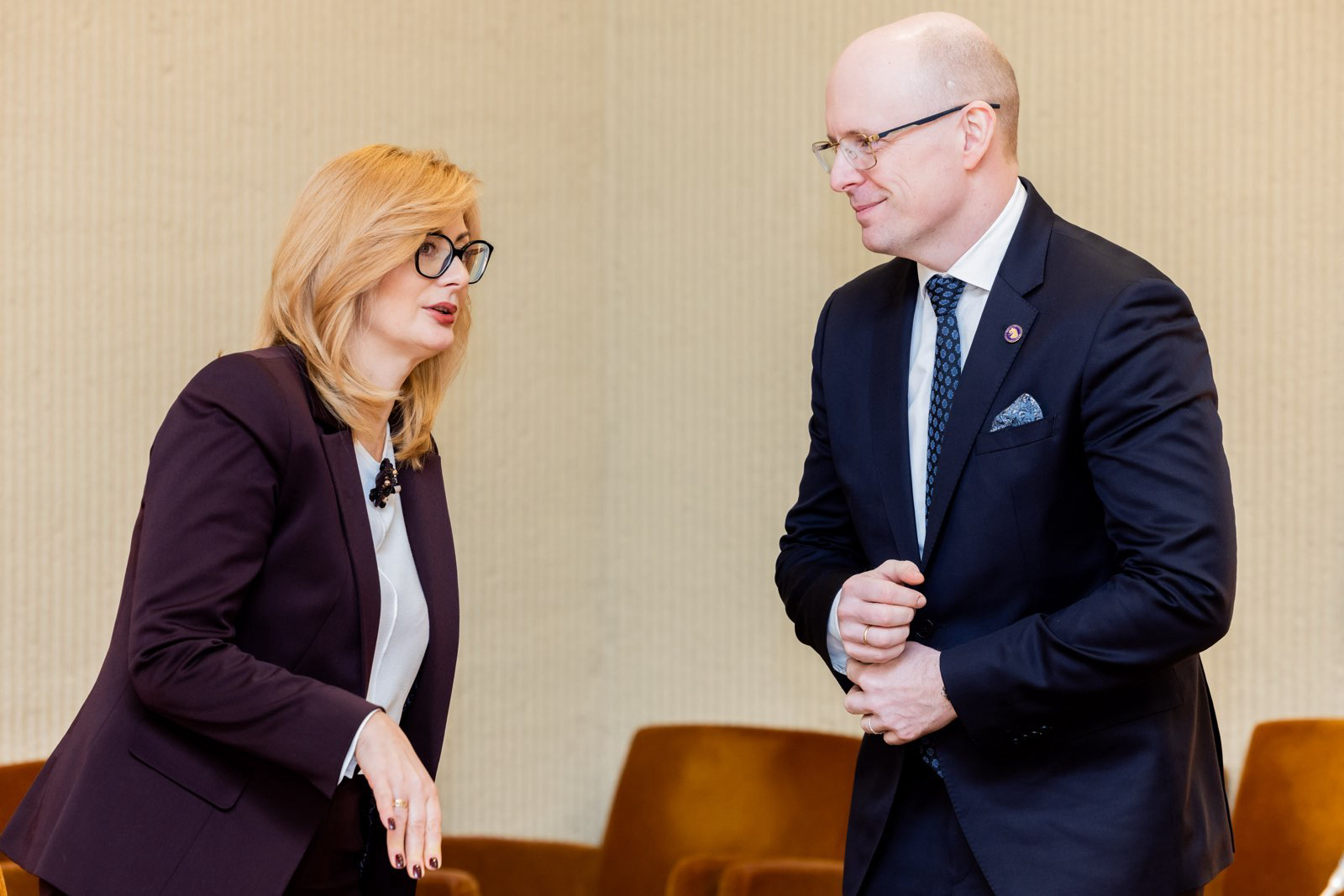
During his visit to Vilnius, Jerzy Kwaśniewski also met with the Minister of Justice of the Republic of Lithuania, Rita Tamašunienė. Their conversation concerned the current challenges facing the countries of Central Europe, in particular the ideological pressure exerted through mechanisms of international law and the importance of protecting the family within the constitutional systems of nation-states, as well as the rights of Poles in Lithuania. The meeting was substantive and confirmed the need for further dialogue and international cooperation to defend the family, constitutional sovereignty, and the right of states to independently shape their social and family policies.
Photos: Ordo Iuris
