
main points
1
CPAC Hungary is part of a global network of conservative conferences that for years has brought together political and opinion leaders from various continents.
2
The Ordo Iuris Institute actively participated in the event, presenting reports and analyses on the EU, migration, and the rule of law in Poland.
3
Leading politicians took part in the conference, including Viktor Orbán, Donald Trump, Andrej Babiš, Matteo Salvini, Javier Milei, and leaders of the European right.
4
Among those who took the stage was also a representative of Ordo Iuris, who described the current rule-of-law crisis in Poland under the banner of “militant democracy.”
5
The importance of international cooperation in defending the sovereignty, political freedom, and cultural identity of Western countries was emphasized.

The Ordo Iuris Institute attended the CPAC Hungary conference in Budapest on Saturday. This is another edition of an event that brings together conservatives from Europe and around the world, in which the Institute participates every year.
The first Conservative Political Action Conference (CPAC) was held in 1974 and was organized by the American Conservative Union (ACU) in cooperation with Young Americans for Freedom. At the time, the keynote speaker was California Governor Ronald Reagan. Since then, CPAC has become an important annual gathering of conservative activists and leaders, expanding its international reach by organizing conferences in countries such as Japan, Israel, Argentina, Colombia, Mexico, Hungary, and, since last year, Poland as well.
As in previous years, the Ordo Iuris booth attracted considerable interest, and the Institute’s English-language materials were eagerly picked up. This year, particular attention was drawn to: an infographic warning against the EU SAFE loan, a report on the possibility of the renationalization of migration policies in the European Union, proposals for a comprehensive reform of the EU, and the latest report on violations of the rule of law in Poland since December 2023. The Ordo Iuris Institute was represented by Director of International Outreach Zbigniew Przybyłowski, Director of Communications Olivier Bault, analysts from the Ordo Iuris Center for International Law Julia Książek and Patryk Ignaszczak, and attorney Bartosz Lewandowski, who collaborates with the Ordo Iuris Institute.
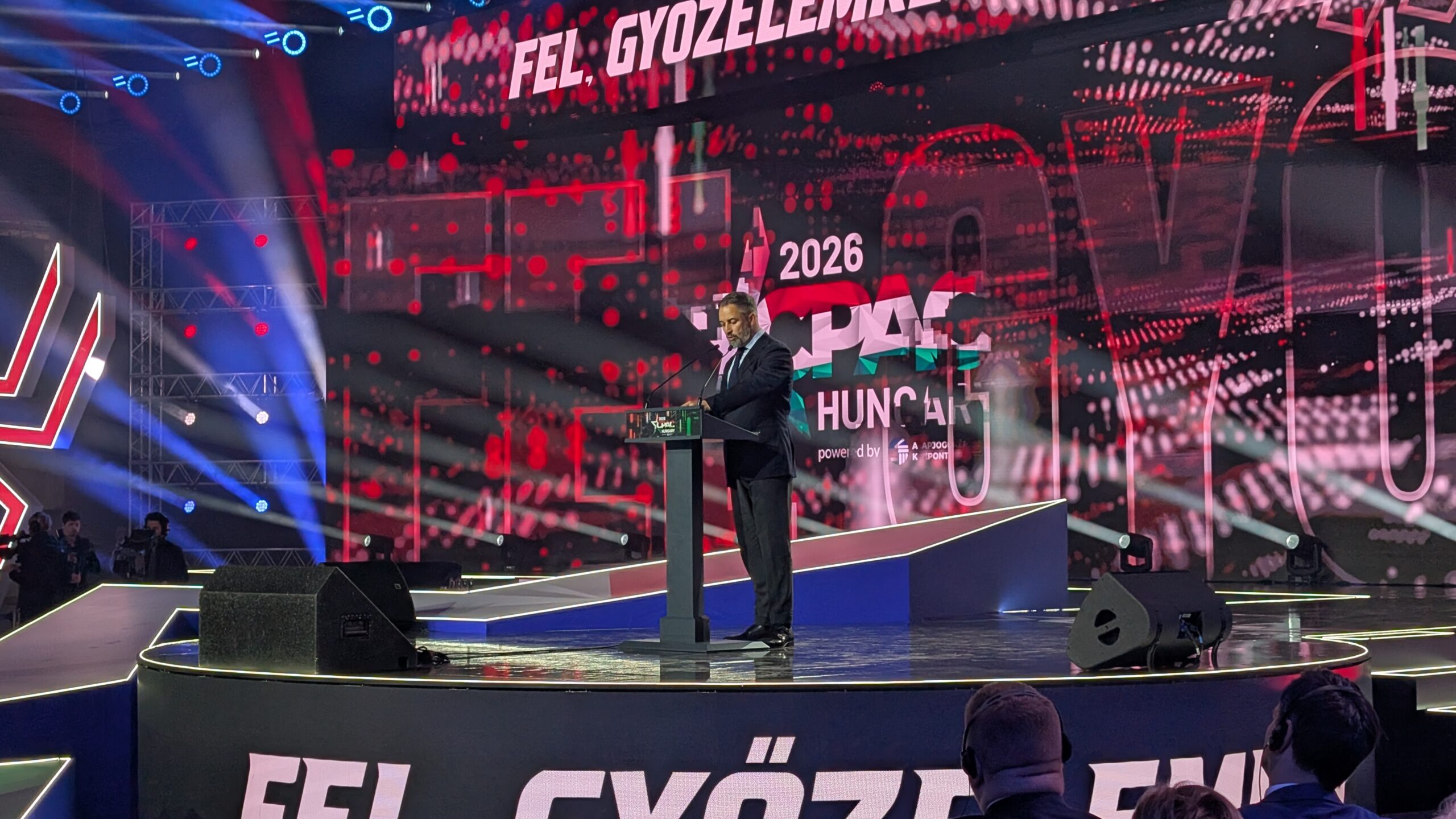
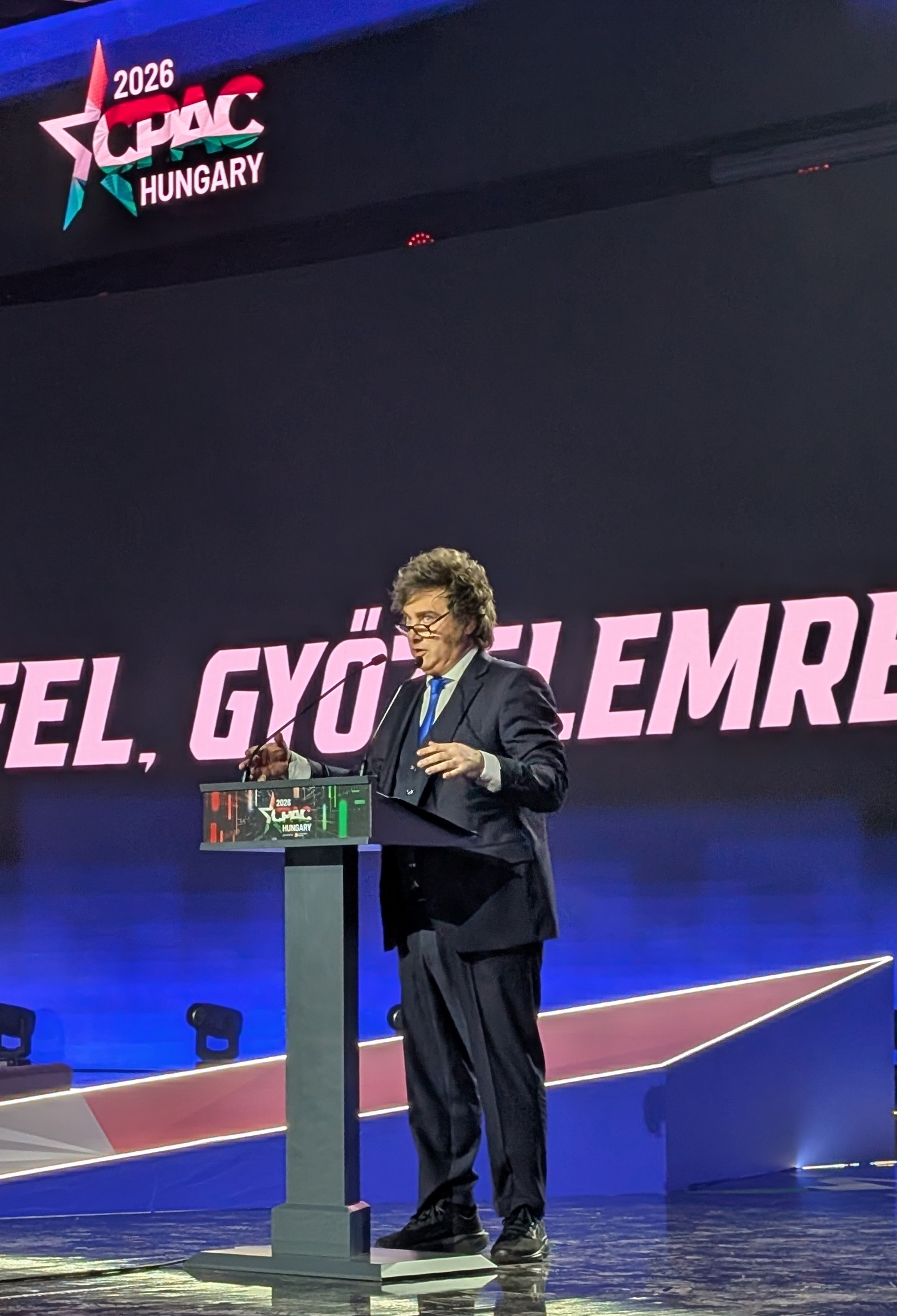
The CPAC Hungary 2026 conference was opened by Miklós Szanthó, director of the Hungarian Center for Fundamental Rights and the event’s organizer, after which Hungary’s Prime Minister Viktor Orbán spoke. Among the most prominent speakers were: U.S. President Donald Trump (remotely); Czech Prime Minister Andrej Babiš (also remotely, as he had to turn back on his way to Budapest due to a fire at an arms factory in Pardubice—which produces for Israel); Italian Deputy Prime Minister Matteo Salvini (remotely); and Argentine President Javier Milei, who made the trip to Budapest for CPAC. Also present were leaders of European right-wing parties, such as Spain’s Santiago Abascal (Vox), Portugal’s André Ventura (Chega), Germany’s Alice Weidel (AfD), the Netherlands’ Geert Wilders (PVV), and Belgium’s Tom Van Grieken (Vlaams Belang), as well as Republican Party congressmen from the United States.
Poland and Brazil in the era of the global left’s “militant democracy”
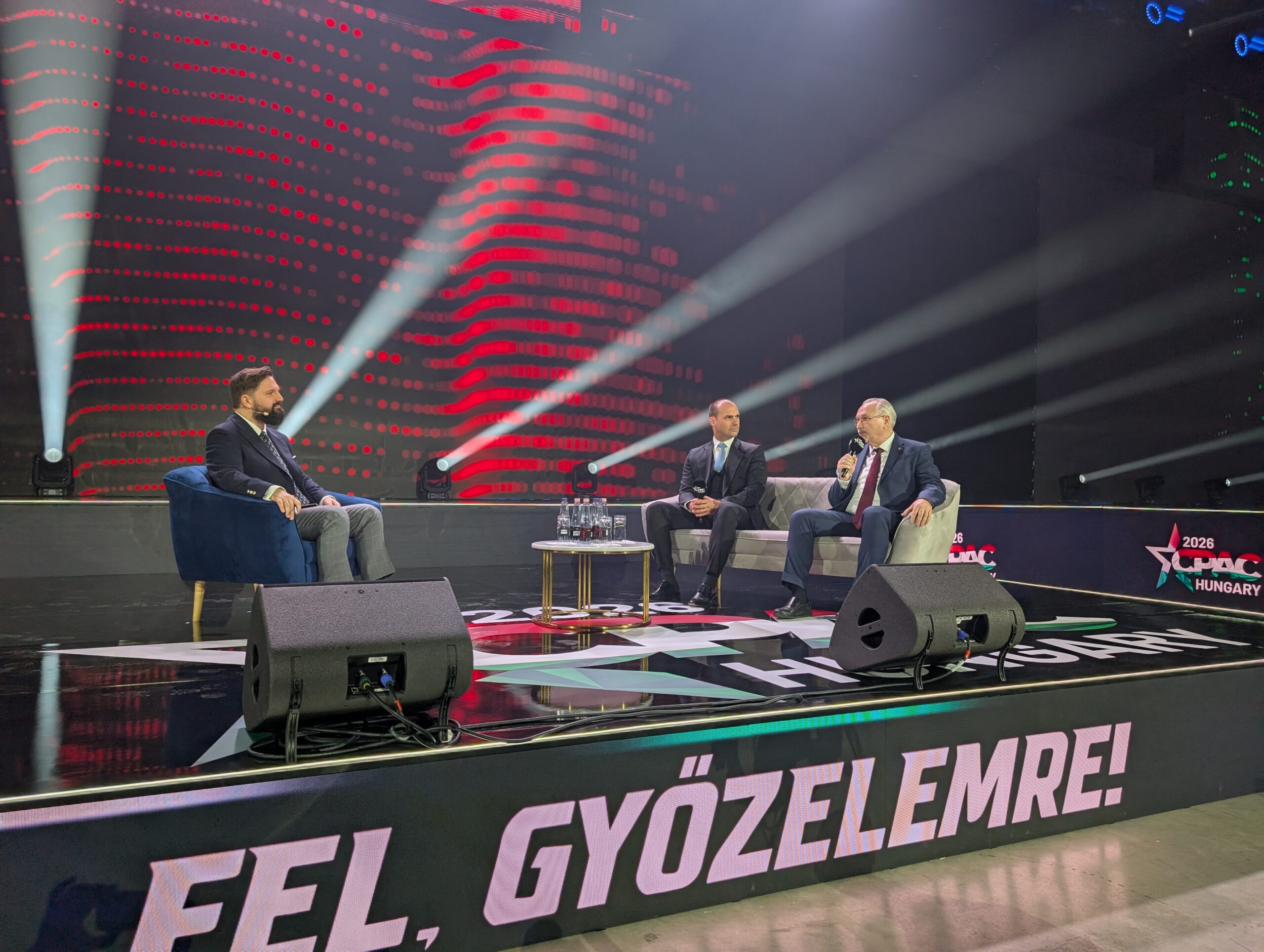
The Ordo Iuris Institute was also—as it is every year—present on the CPAC Hungary 2026 stage. Its International Outreach Director, Zbigniew Przybyłowski, appeared alongside Eduardo Bolsonaro, the son of Brazil’s former president, on a panel moderated by the Hungarian lawyer István Kovács, the strategic director of the Center for Fundamental Rights. The discussion revealed to politicians, representatives of the media and think tanks, and other participants gathered in the room the undemocratic tactics employed by the globalist left in Poland and Brazil to keep right-wing sovereigntists and supporters of freedom out of power despite their growing support among voters.
This panel discussion at CPAC Hungary 2026 highlighted what speakers described as a shared pattern of “undemocratic” tactics used by the globalist and liberal left in both Europe and the Americas to sideline right-wing forces despite their growing popular support.
Eduardo Bolsonaro framed Brazil as a stark example of judicial and institutional overreach. He argued that the prosecution of his father was politically motivated, stating, “What the Supreme Court in Brazil is seeking is not justice. What they are seeking is revenge.” He connected Brazil’s situation to broader Western trends, warning, “This is what is going to happen with Orbán if you lose the election here. It’s what they try to do with President Trump in the US.” According to him, earlier strategies such as media attacks and labeling conservatives “didn’t work,” leading to a shift toward suppression: “So now their last hope is censoring.”
Zbigniew Przybyłowski presented Poland as a case study of post-electoral institutional capture. He described how external pressure from the EU had previously been used selectively: “The EU was withholding funds from us because of alleged breaches of the rule of law. These breaches magically disappeared when the government changed.” He argued that after the change of power, authorities engaged in what he called “militant democracy,” where “the left-wingers, the globalists… are going to break all the laws that are necessary to consolidate power.” He cited actions such as media takeovers, prosecutions, and judicial changes, concluding: “So the rule of law does not exist if the globalists get to power.”
Both speakers emphasized coordination across borders, pointing to foreign funding, NGOs, and censorship mechanisms as tools used to influence domestic politics. They argued that as right-wing movements continue to gain electoral strength, these methods are increasingly deployed to prevent them from governing effectively—or from returning to power at all.
A new form of communism
This was very well summed up later in the day by Argentinian President Javier Milei, who said in the closing speech of CPAC Hungary 2026:
Communism, which once marched under the banner of the Soviet Union, now takes on a different form, hiding behind many noble humanitarian causes. They all seem independent, but they are closely linked by a common plan to fight tradition and by hatred of everything we consider good, beautiful, and sacred.”
And that is why patriotic and conservative circles today feel the need to join forces on both sides of the Atlantic and to stand together in defense of our Western, Latin civilization. Conferences such as CPAC serve this purpose, and that is why the Ordo Iuris Institute has consistently participated in the Hungarian edition for the past five years.





Photos: Ordo Iuris
