
Main Points
1
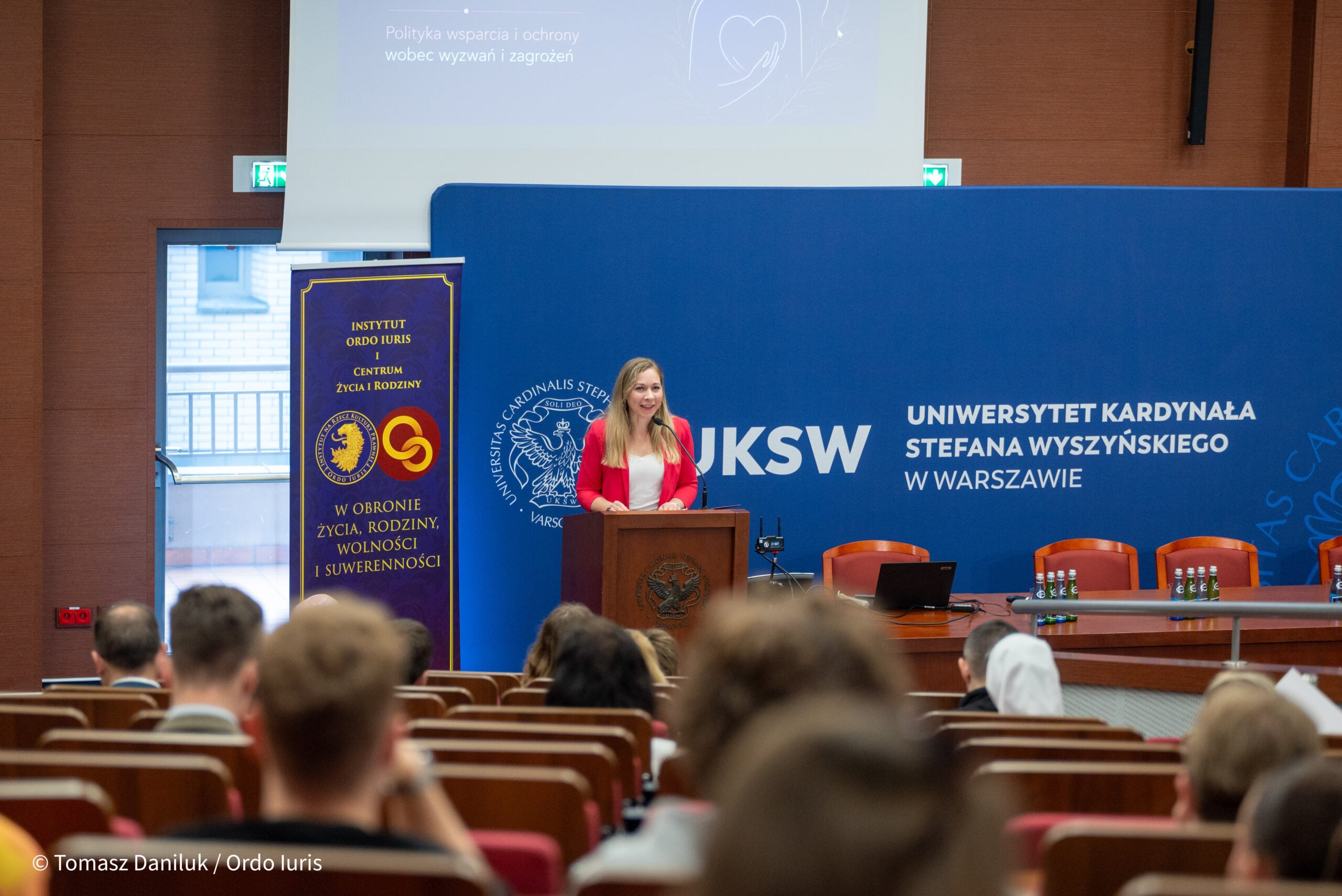
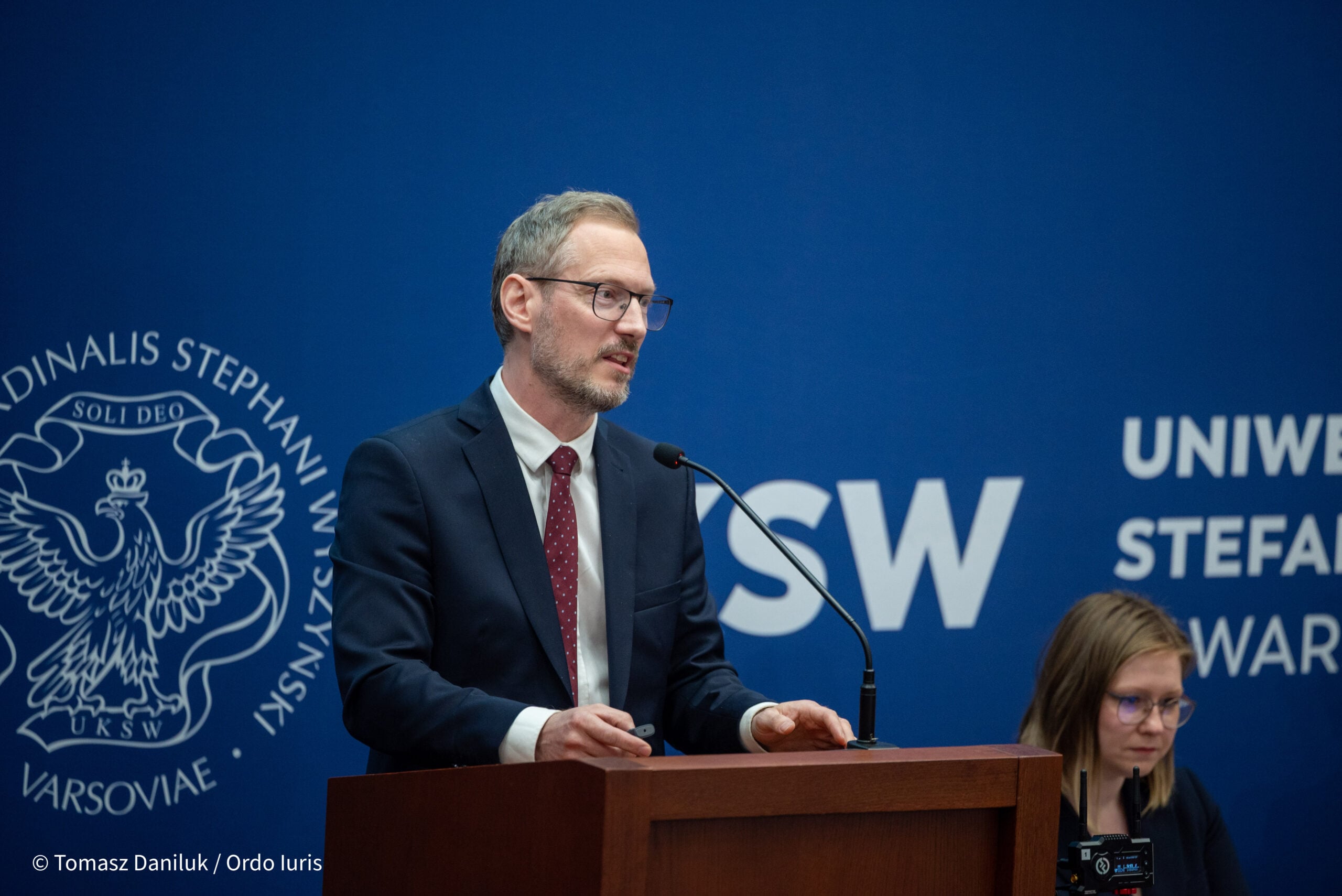
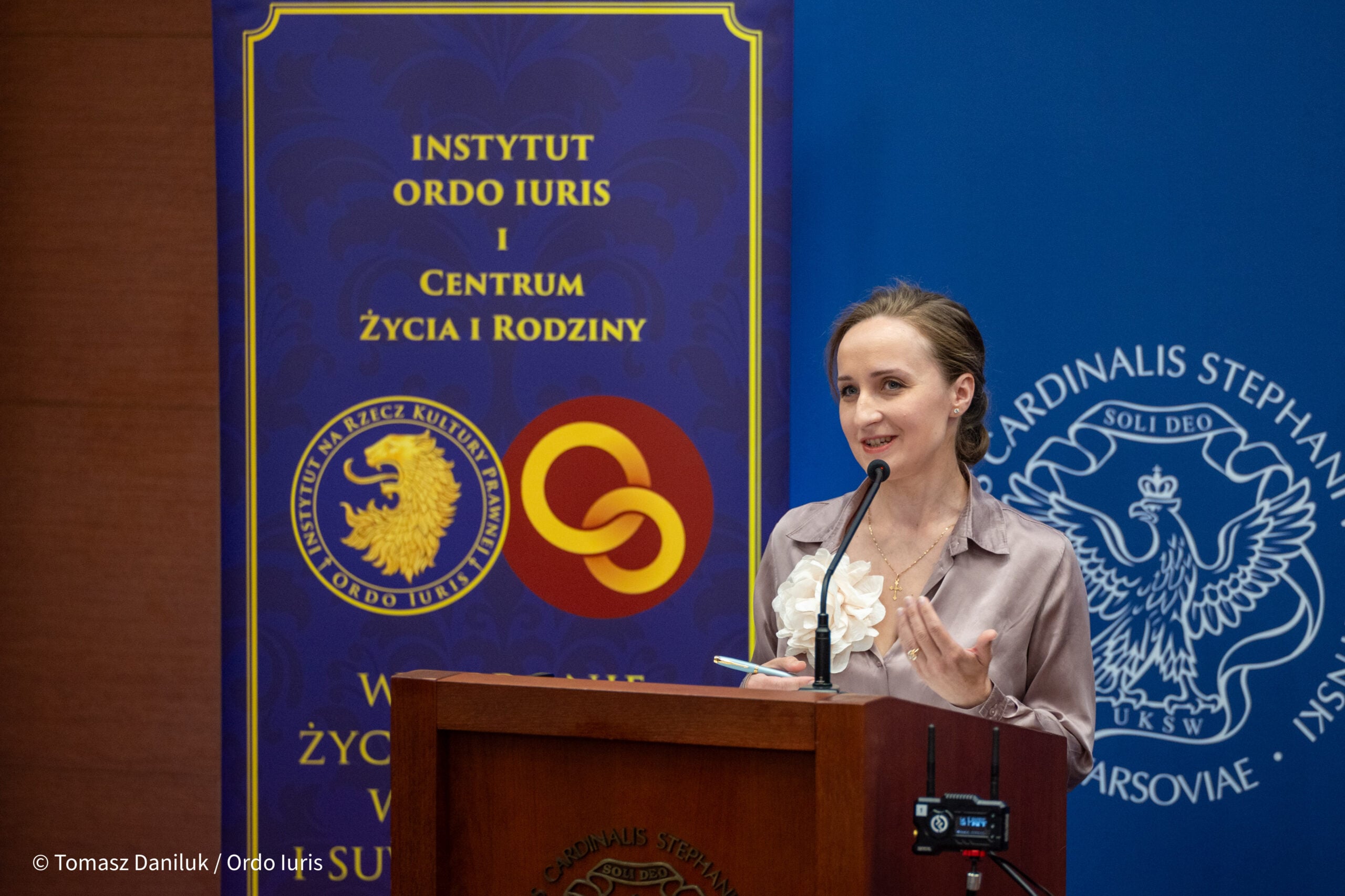
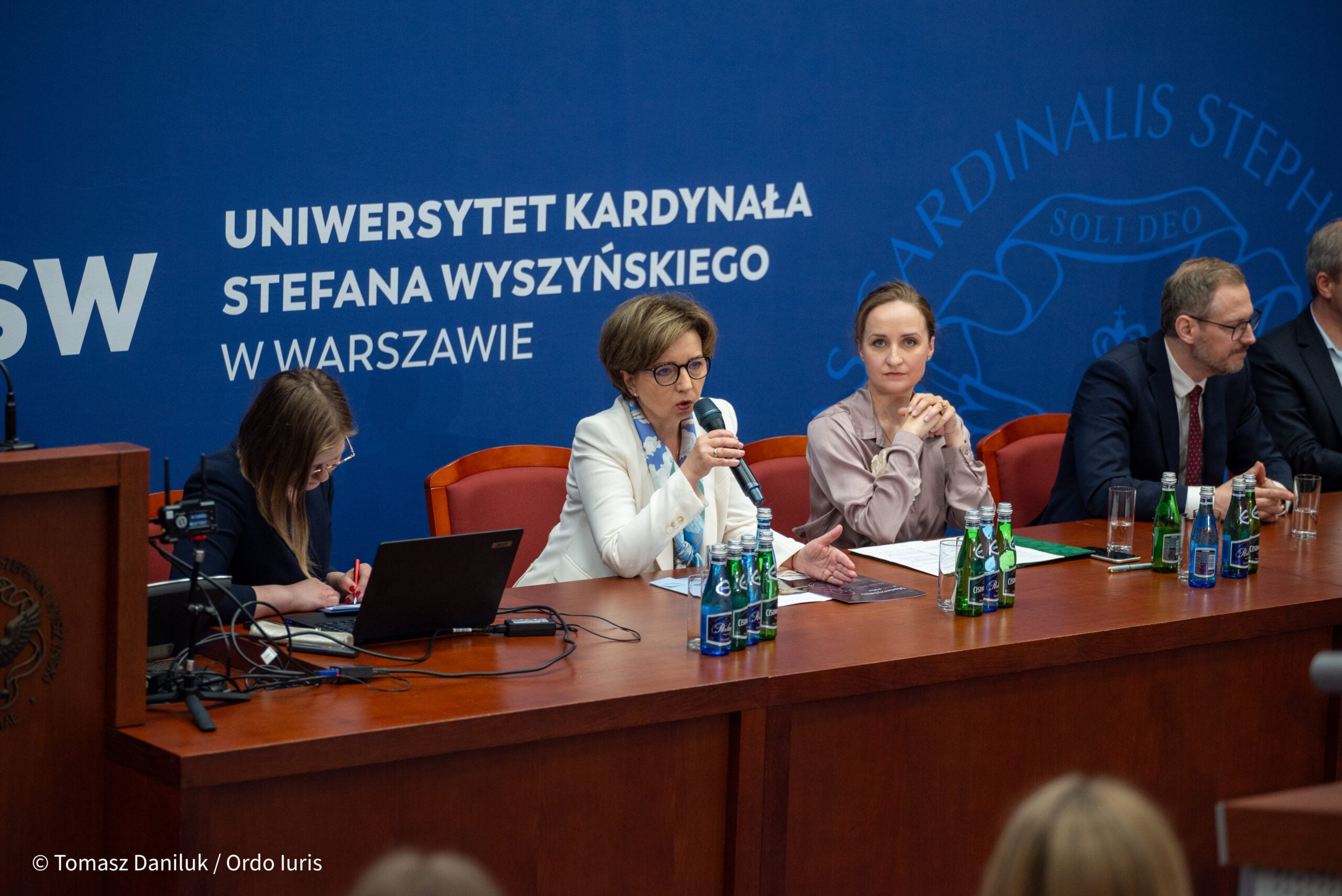
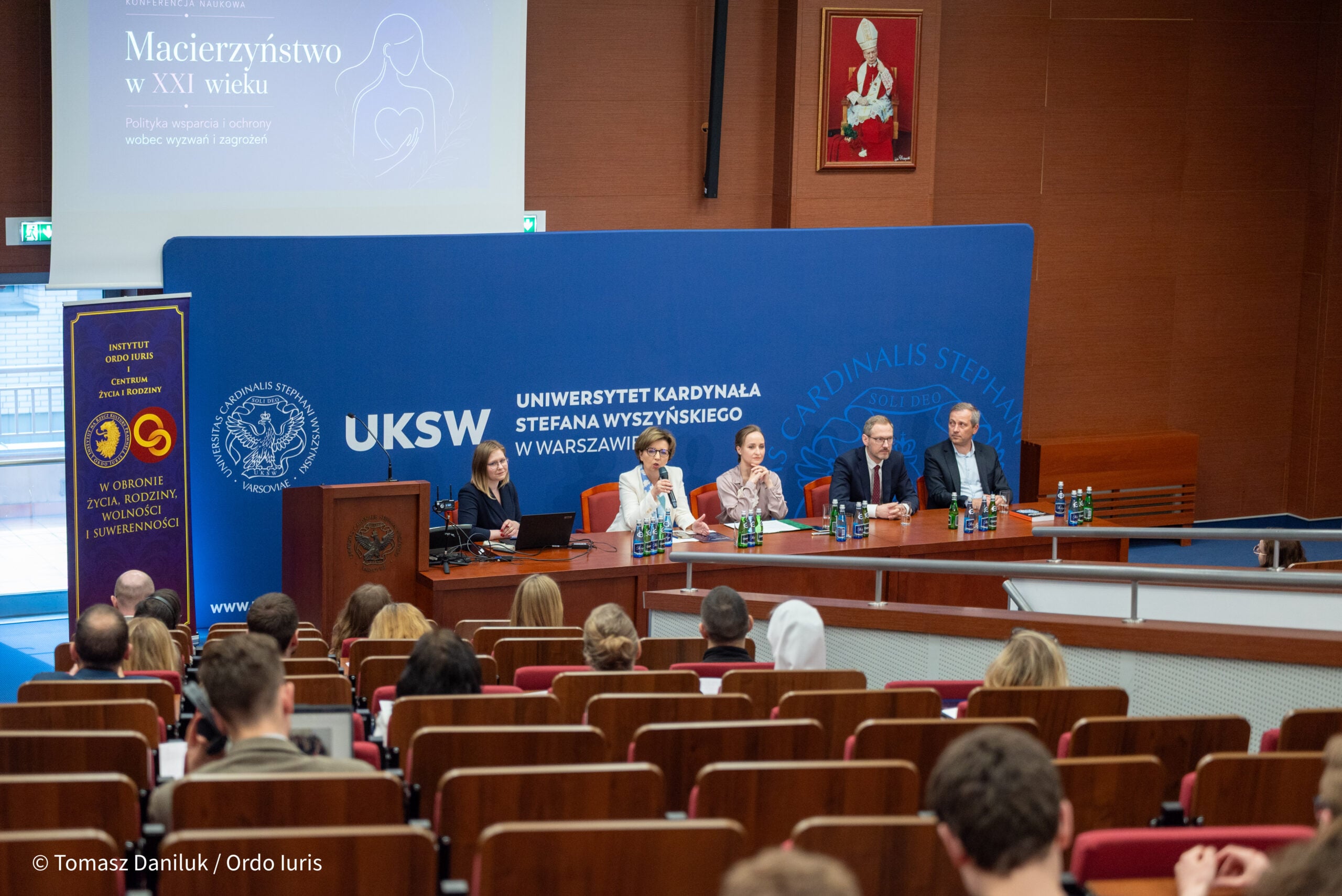
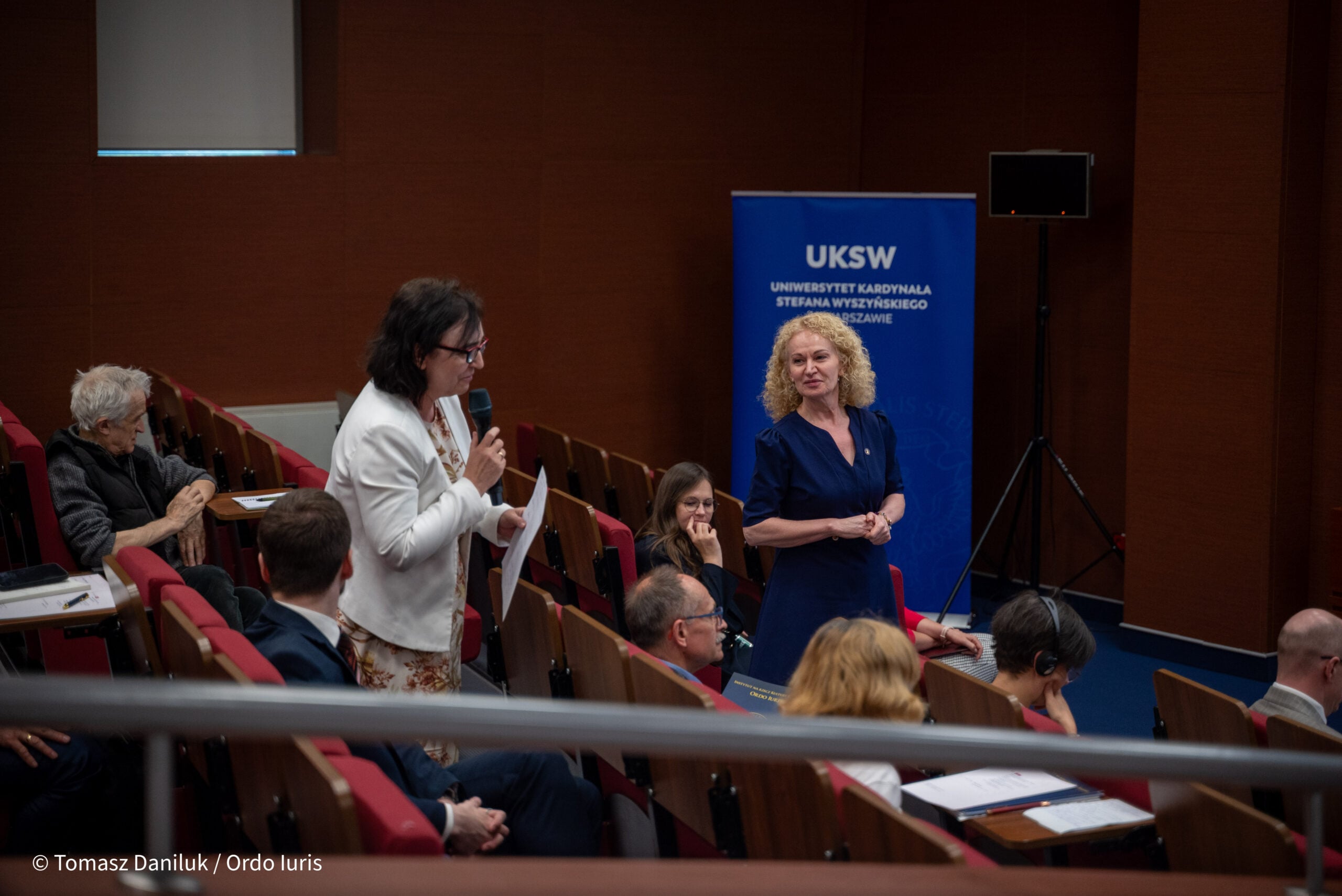
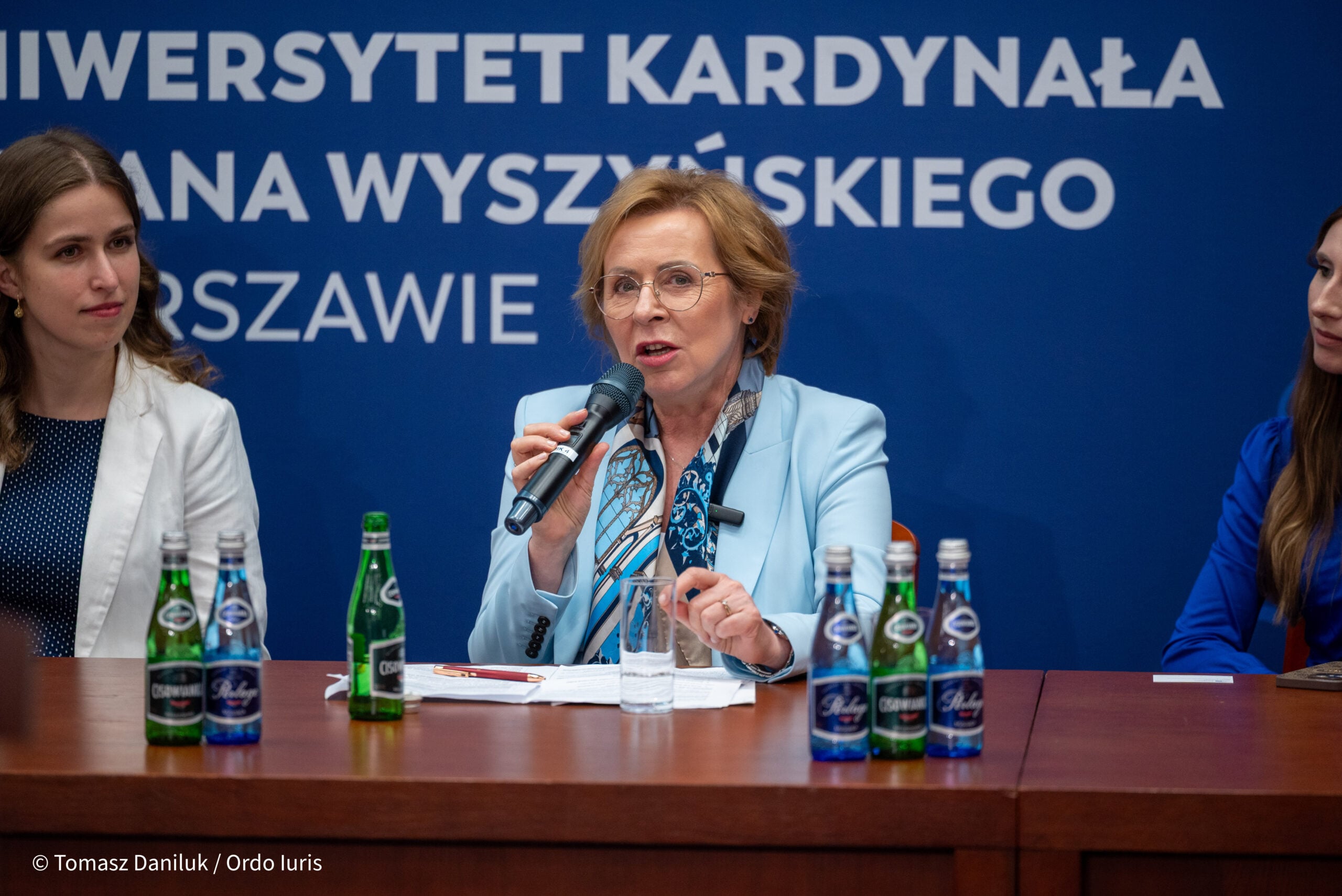
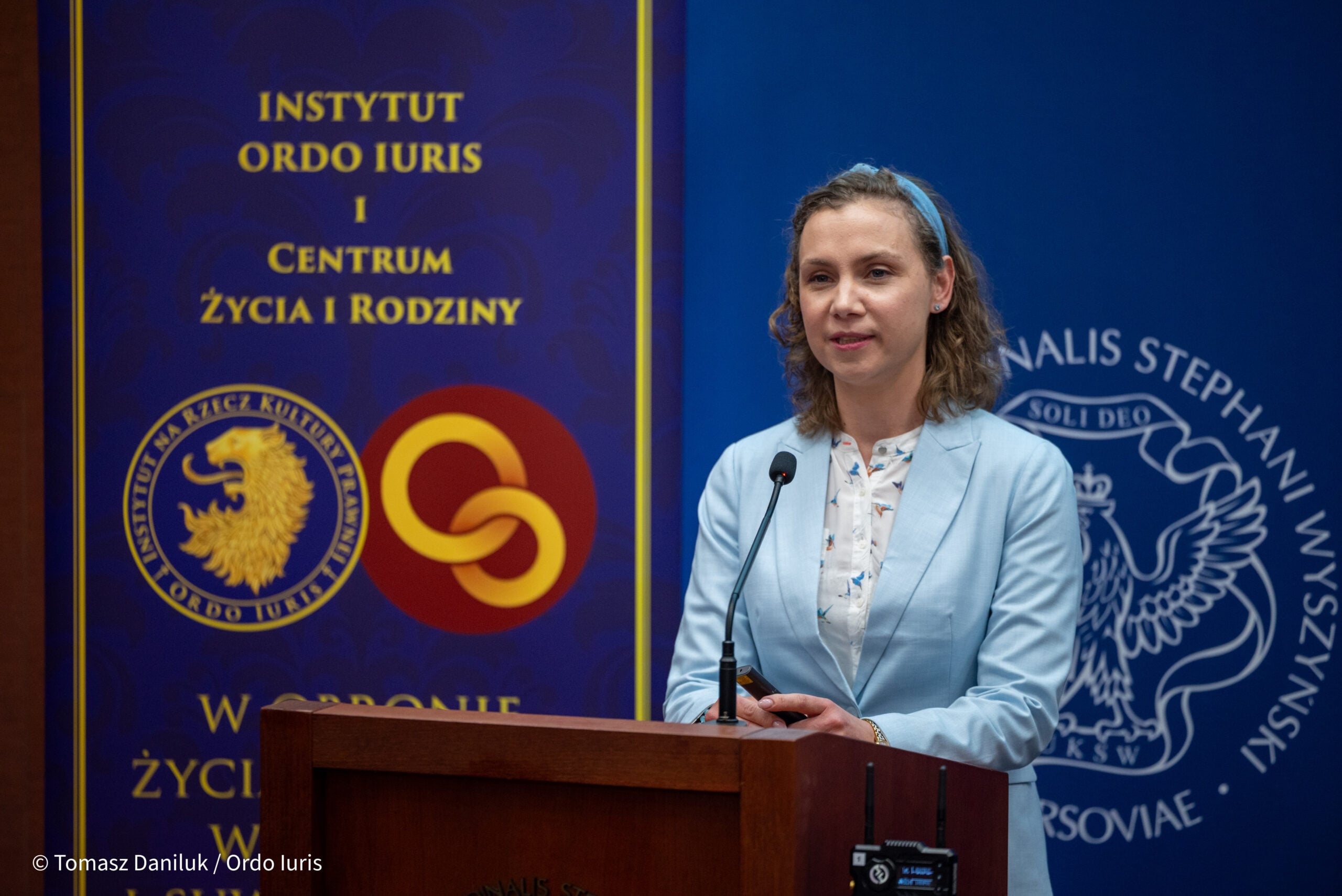
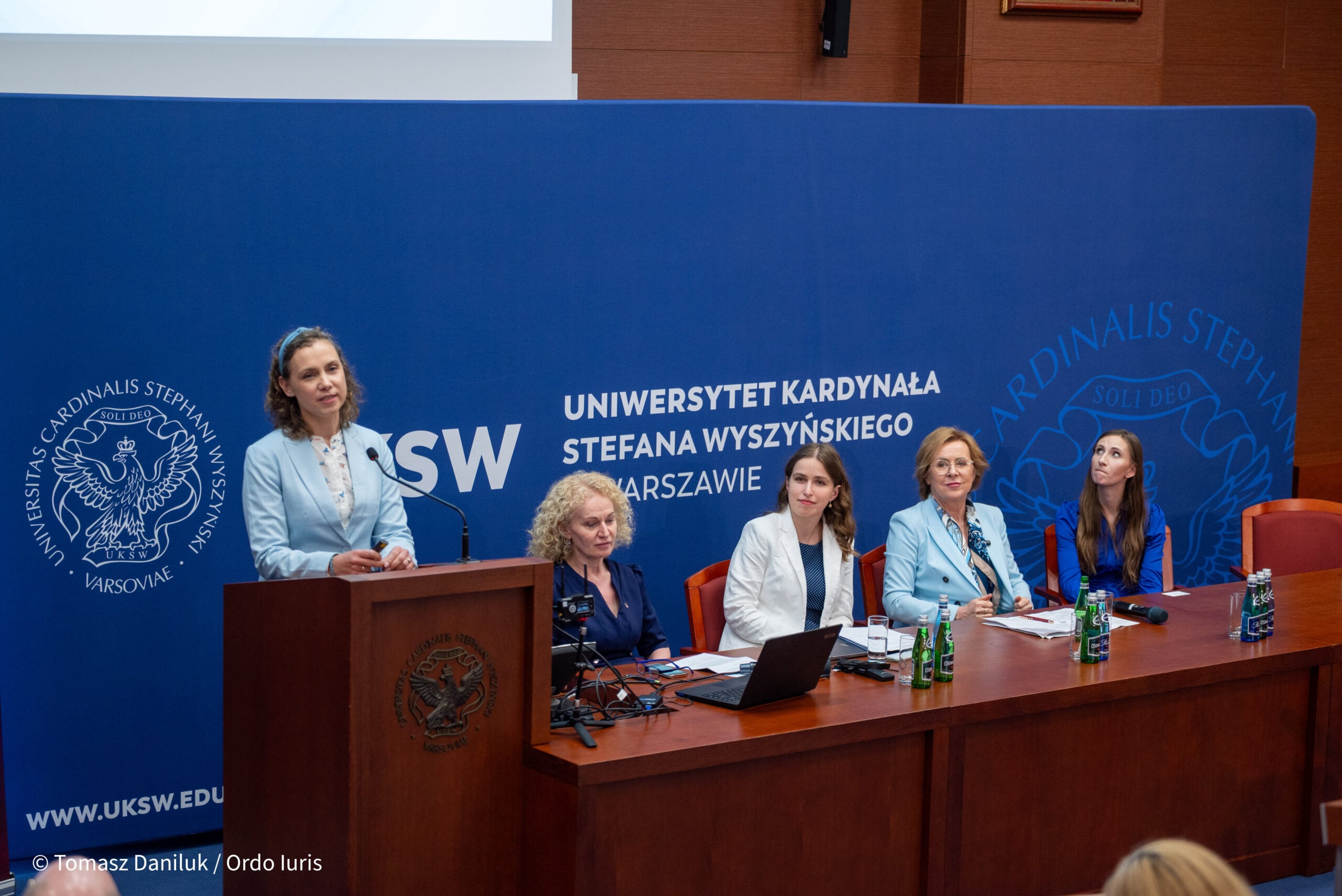
A conference titled “Motherhood in the 21st Century: Support and Protection Policies in the Face of Challenges and Threats,” was held at Cardinal Stefan Wyszynski University (UKSW) in Warsaw. bringing together experts from Poland and abroad.
2
The participants discussed effective family policy models, maternity protection, and ways to increase birth rates.
3
The second panel was devoted to the legal, psychological, and ethical aspects of surrogacy, presenting perspectives from international experts.
4
The speakers examined the social perception of mothers and the need to build a positive image of motherhood in the public sphere.
5
The organizers highlighted the need for family policy reforms, pro-family measures, and efforts to develop solutions concerning surrogacy at the national and international levels.

An academic conference titled “Motherhood in the 21st Century: Support and Protection Policies in the Face of Challenges and Threats,” was held at Cardinal Stefan Wyszyński University in Warsaw. The event was jointly organized by the Ordo Iuris Institute for Legal Culture and the Research and Teaching Center for Catholic Social Teaching at UKSW. The conference partners were the Center for Life and Family and the Confederation of Women of the Republic of Poland. The media partners of the event were: the Polish Catholic press agency KAI, Tysol.pl, Do Rzeczy, PCh24.pl, wPolsce24.pl, wPolityce.pl, wSieci, Nowy Ład, Opoka, Trwam, Radio Maryja, Gość Niedzielny and Niedziela.
The conference created a space for in-depth, interdisciplinary debate that brought together politicians, scholars, lawyers, and representatives of non-governmental organizations from Poland and abroad. Particular attention was given to the topic of surrogacy—its legal, psychological, and ethical aspects. The conference took place in the Robert Schuman Auditorium on the campus at Wóyckiego Street in Warsaw and included three thematic panels.
Conference Opening
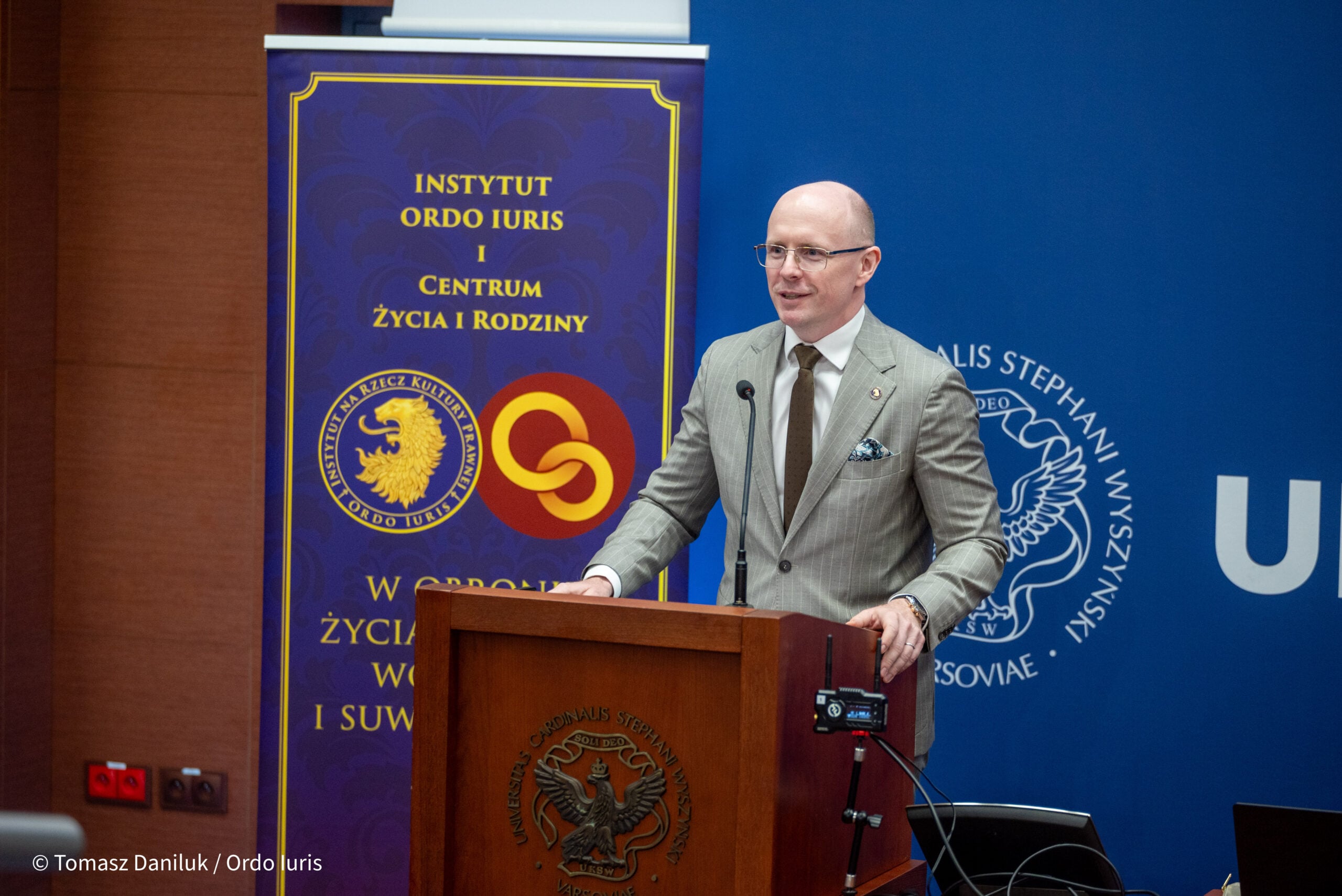
At the begining, the two initiators of the conference took the floor.
Jerzy Kwaśniewski, president of the Ordo Iuris Institute, began with the ancient Latin principle mater semper certa est—the mother is always certain—and posed the question of whether in the modern world this can still be regarded as self-evident. He recalled that a 2024 Polish law had to specifically confirm this principle in the country’s Family and Guardianship Code. Setting a broader context, he referred to Article 18 of the Constitution of the Republic of Poland and Article 16 of the Universal Declaration of Human Rights, arguing that the family precedes the state and the law.
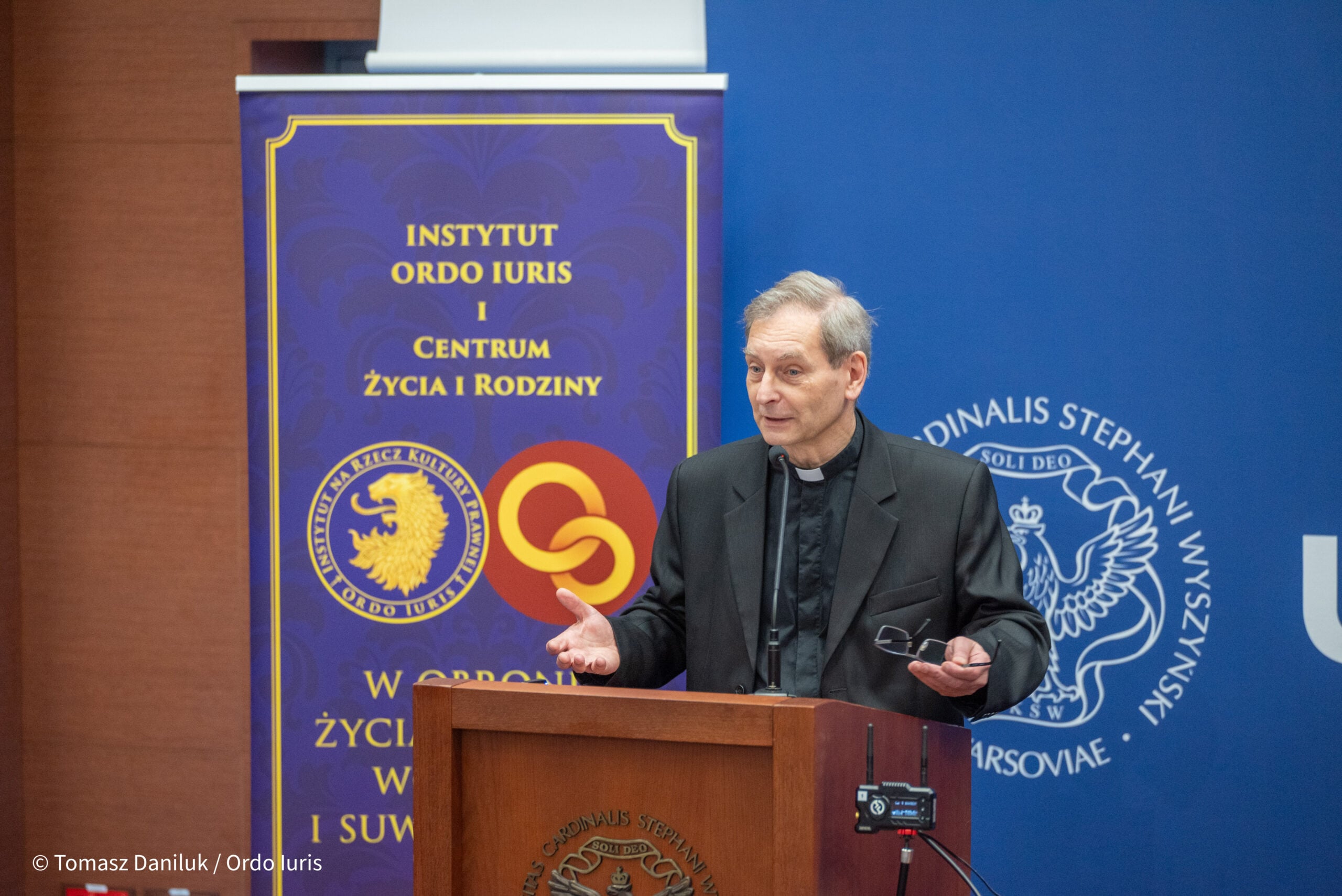
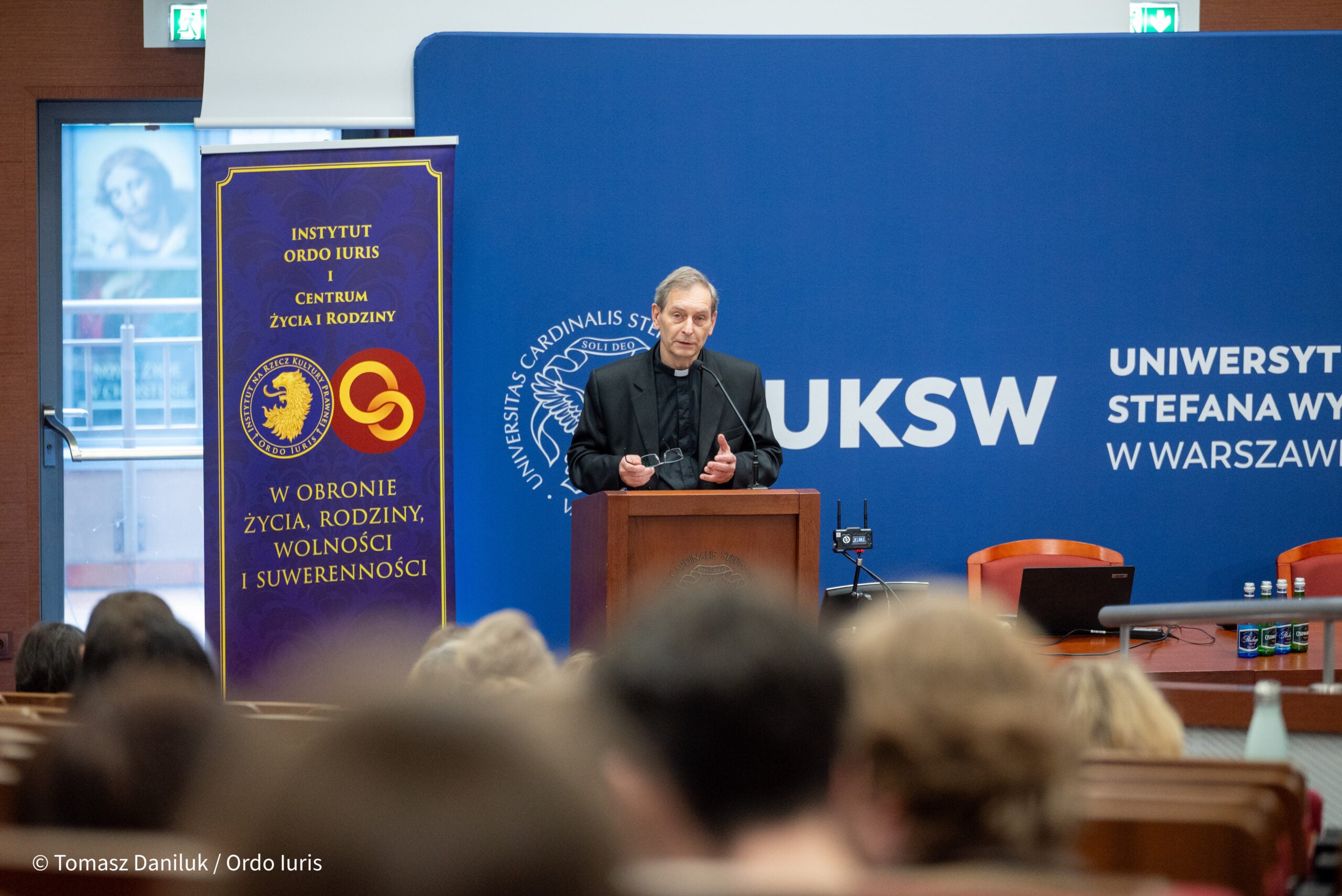
Rev. Prof. Piotr Mazurkiewicz, Ph.D., from the Faculty of Economics and Social Sciences at UKSW recalled that, etymologically, the word matrimonium already implies care for the mother, and that the institution of marriage has protected women and children for centuries. He pointed to a profound fertility crisis in Poland, whose roots are primarily cultural.
“I think the word ‘mom’ is one of the dearest, most precious words we know,” he concluded his speech.
Panel I: Motherhood and parenthood under the protection of the Republic of Poland. Effective support models for families and mothers
The first panel was moderated by Anna Kubacka, an analyst at the Ordo Iuris Institute’s Center for International Law. Four speakers were invited to the discussion.
Marlena Maląg, an MEP and former Minister of Family and Social Policy, summarized the achievements of the Law and Justice-led United Right governments of 2015—2023 for Polish families. She emphasized that spending on families is not a cost, but an investment in the future. She also added that Poland needs not only financial transfers but also the active promotion of a “fashion for family”—building a culture in which having children and being involved in their upbringing is treated as a source of pride rather than a burden.
Karina Bosak, an attorney and member of the Sejm, the lower house of the Polish parliament, who is also chair of the parliamentary team on perinatal care, pointed out that the mere existence of laws protecting motherhood does not in itself ensure effective protection. She cited studies from 2026 indicating that among childless Poles, as many as 34% do not want to have children at all.
“Without restoring the social significance of the family and a positive perception of motherhood, it will be difficult to reverse the current demographic trends,” the MP warned, emphasizing that financial transfers must go hand in hand with cultural change.
Rafał Dorosiński, a board member of the Ordo Iuris Institute and a member of the Council for Family and Demography under the President of the Republic of Poland, argued that the current benefits system sends a false signal: the state values paid employment more than motherhood. Parental benefit for a non-working mother is approximately PLN 1,000 a month, while the maternity benefit for an employed person is over PLN 3,000.
Atty. Rafał Dorosiński also pointed to the institution of marriage as the best environment for motherhood, citing data from the Polish Office of Statistics (GUS) that debunk the myth that “half of marriages fall apart. “Statistically, the probability of a breakup within the first ten years is actually only 11%.
Michał Kot, an expert in demography and co-author of the book How to Avoid a Demographic Catastrophe (pol. Jak uniknąć demograficznej katastrofy, spoke about the prestige of motherhood as a key, yet hard-to-measure determinant of fertility. Using data from the European Values Study, he pointed out that Poland ranks below Romania and the Czech Republic in terms of the social appreciation of parenthood relative to paid work. He proposed three courses of action: valuing home care financially on a par with paid employment (replacing the idea of maternity leave with that of a “maternity position”), the presence of children in public spaces, and a change in the language of the debate.
Panel II: Surrogacy and the experience of motherhood. Legal, psychological, and ethical aspects
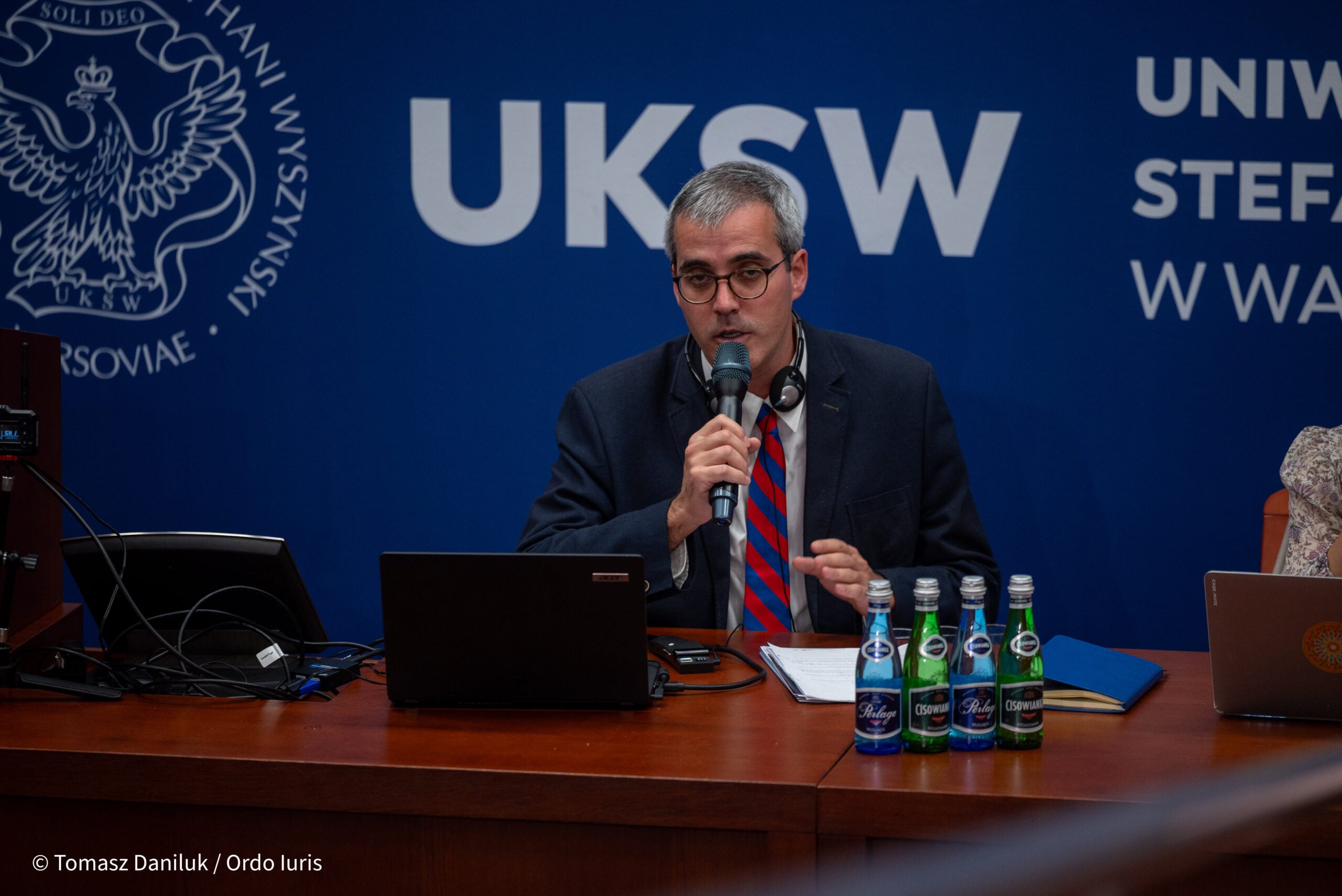
The second panel, moderated by Bernardo García Larraín, an advisor to Chile’s Minister for Family Affairs, focused on surrogacy. It featured speakers from several countries.
Reem Alsalem, the UN Special Rapporteur on violence against women and girls, presented the findings of her report submitted to the UN General Assembly in October 2025. She outlined the profile of women who become surrogates—almost exclusively poor, often single mothers or immigrants—and detailed the mechanisms of exploitation embedded in surrogacy contracts. Alsalem also called for the abolition of surrogacy, patterned after the prostitution abolition model.
Olivia Maurel, spokeswoman for the Casablanca Declaration—a coalition against surrogacy of more than 150 experts from 75 countries—as a child born via surrogacy in 1991 in Kentucky, gave a moving personal testimony.
“I was programmed to be abandoned. Throughout my childhood, I felt a deep sense of abandonment and emptiness. I spent many years trying to escape this pain through alcohol, drugs, and self-destructive behaviors,” she confessed, urging that in the surrogacy debate the child’s voice no longer be overlooked.
Bettina Roska, an attorney at ADF International in Geneva, discussed the framework of international law and demonstrated that commercial surrogacy—accounting for over 80% of cases—meets the legal definition of the sale of a child under international law. She encouraged Poland to be active at the UN and to support national and supranational bans on surrogacy.
Calum Miller, a physician and researcher at the University of Oxford, presented the latest scientific evidence confirming that the bond between mother and child begins to form in the very earliest weeks of pregnancy. He cited studies indicating that surrogates are three times more likely to experience postpartum illnesses and five times more likely to suffer serious complications.
Panel III: Cultural affirmation of motherhood—diagnosis and strategies for positive change
The third panel was moderated by Monika Leszczyńska, vice president of the Ordo Iuris Institute. The discussion focused on the cultural dimension of motherhood.
Agata Lupoměská, president of the Central European Perspective Foundation and a member of the Council for Family and Demography at the President of the Republic of Poland, compared the portrayals of motherhood in Poland, the Czech Republic, Germany, Austria, and Hungary. She proposed a specific change: replacing the name “maternity leave” with the term “maternity position.”
“It is about the status of the woman, her social position. Changing the name is not only a linguistic or legal change—it is a change in the way we think about motherhood, an emphasis that a woman is not resting but holds an important social position,” she argued.
Ewa Rejman, Ph.D., a lawyer specializing in international human rights law, spoke about the link between social trust and the decision to become a mother. She pointed out that the protection of motherhood is a human right, thereby placing specific obligations on the state. She emphasized that laws and regulations shape culture, and culture shapes the law.
Anna Bosak, president of the Priorytety Foundation, which has been working for years with mothers to build a positive image of motherhood, presented research findings showing that 73% of working women are described as successful women, whereas mothers are less often perceived that way. She highlighted the problem that mothers themselves often are unable to speak positively about their work.
Jadwiga Wiśniewska, a Member of the European Parliament serving continuously since 2014 and the only Polish woman representing a conservative point of view in the European Parliament’s Committee on Women’s Rights and Gender Equality, described the committee’s climate as dominated by a left-liberal narrative in which motherhood is viewed primarily as a problem to be managed.
„The European Union does not tell a woman: you will not be alone, your child will not be a burden. Instead, it suggests that motherhood is a risk that can be avoided”. The MEP called for the introduction into EU policy of the principle of family mainstreaming, that is, the assessment of every regulation in terms of its impact on the family and motherhood.
Conference Closing
The ceremonial closing was conducted by Jerzy Kwaśniewski, the president of the Ordo Iuris Institute. He identified three areas that entail specific commitments for the next few months. First, a review of social policies with regard to the effectiveness of family support, with the courage to reform existing benefits rather than simply multiplying them. Secondly, the development of a multi-year program of pro-family cultural policy that would shape the actions of all government bodies. Third, intensified activity at the international level: initiating work on national legislation criminalizing surrogacy, and engaging Polish diplomacy in building an international consensus in favor of banning surrogacy.
“I would like the world for my daughters—who will soon enter the stage of motherhood themselves—to be better,” said Jerzy Kwaśniewski.
Summary
The conference “Motherhood in the 21st Century” proved to be an exceptional forum for the exchange of ideas among the legal, academic, political, and social communities. The three panels presented motherhood in three dimensions: constitutional-legal and social welfare, bioethical and the protection of human rights, and cultural and societal. The common denominator of all the speeches was the call to treat motherhood not as a private choice, but as a common good that merits genuine protection by the state and respect from society. A particularly powerful voice came from foreign experts and witnesses—including Olivia Maurel, born via surrogacy, and Reem Alsalem, a UN Special Rapporteur. The organizers announced that, in specific legislative and analytical initiatives scheduled for 2026 and 2027, they will continue work on the issues they have taken up.
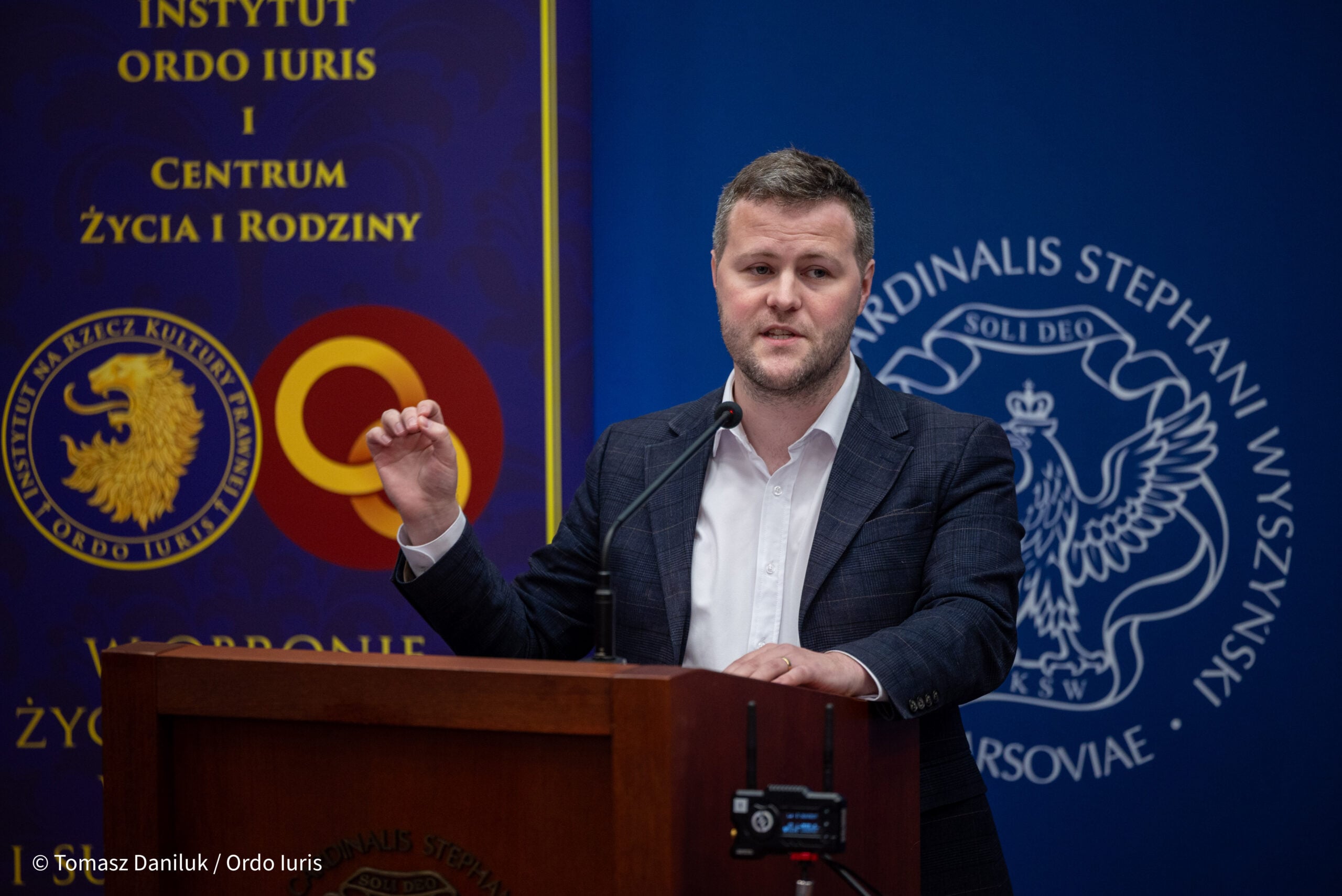
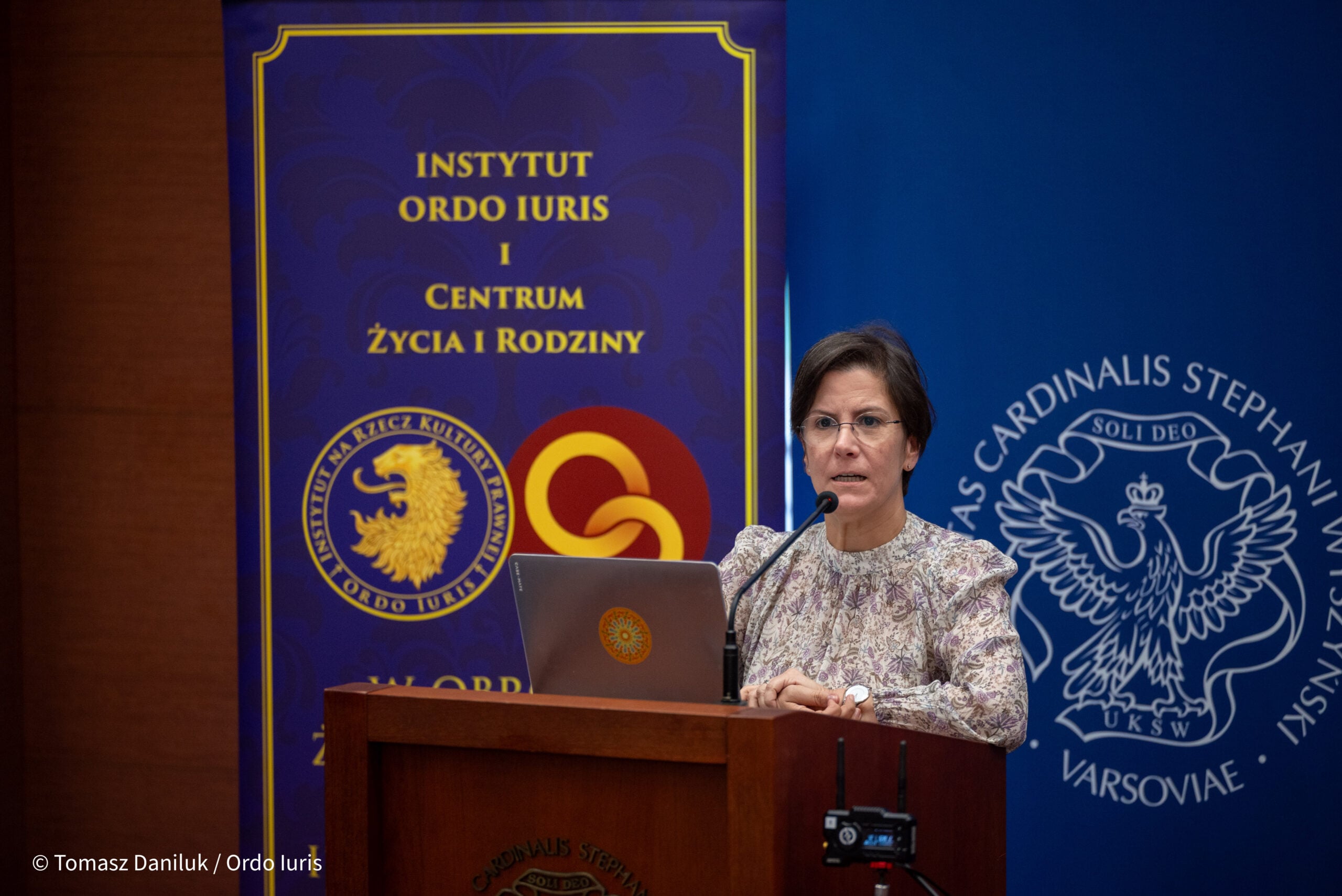
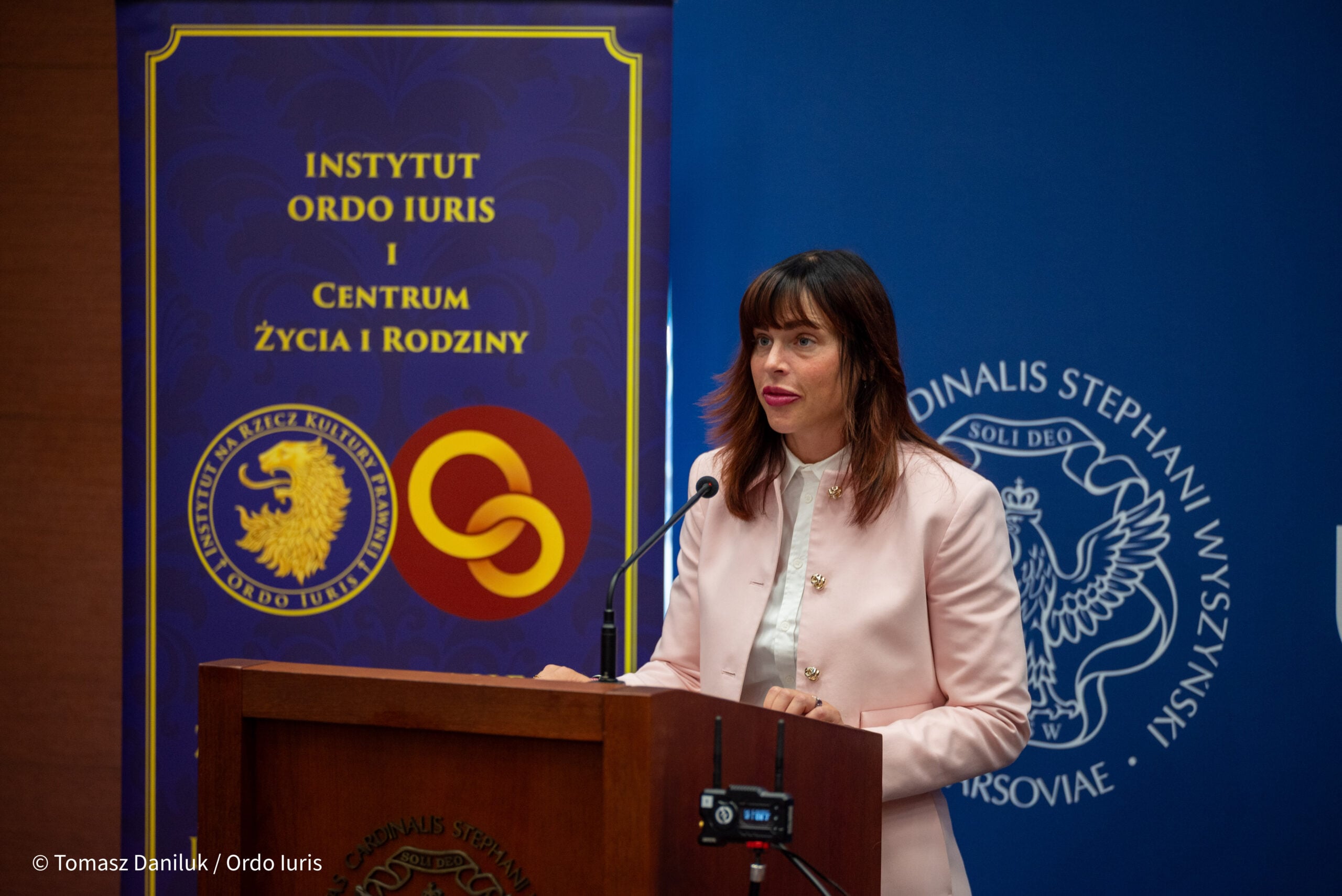
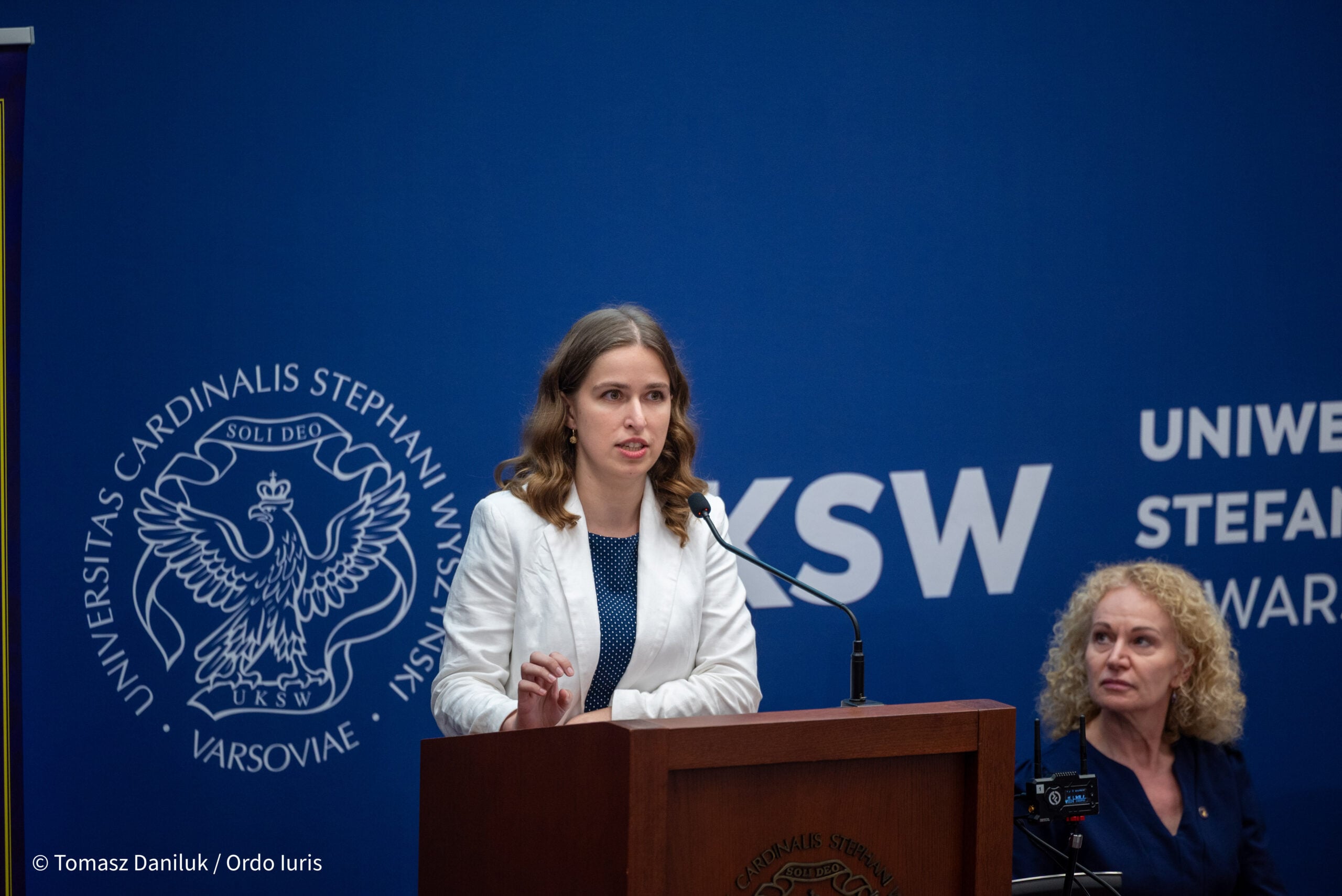
Photos: Tomasz Daniluk/Ordo Iuris
