
main points
1
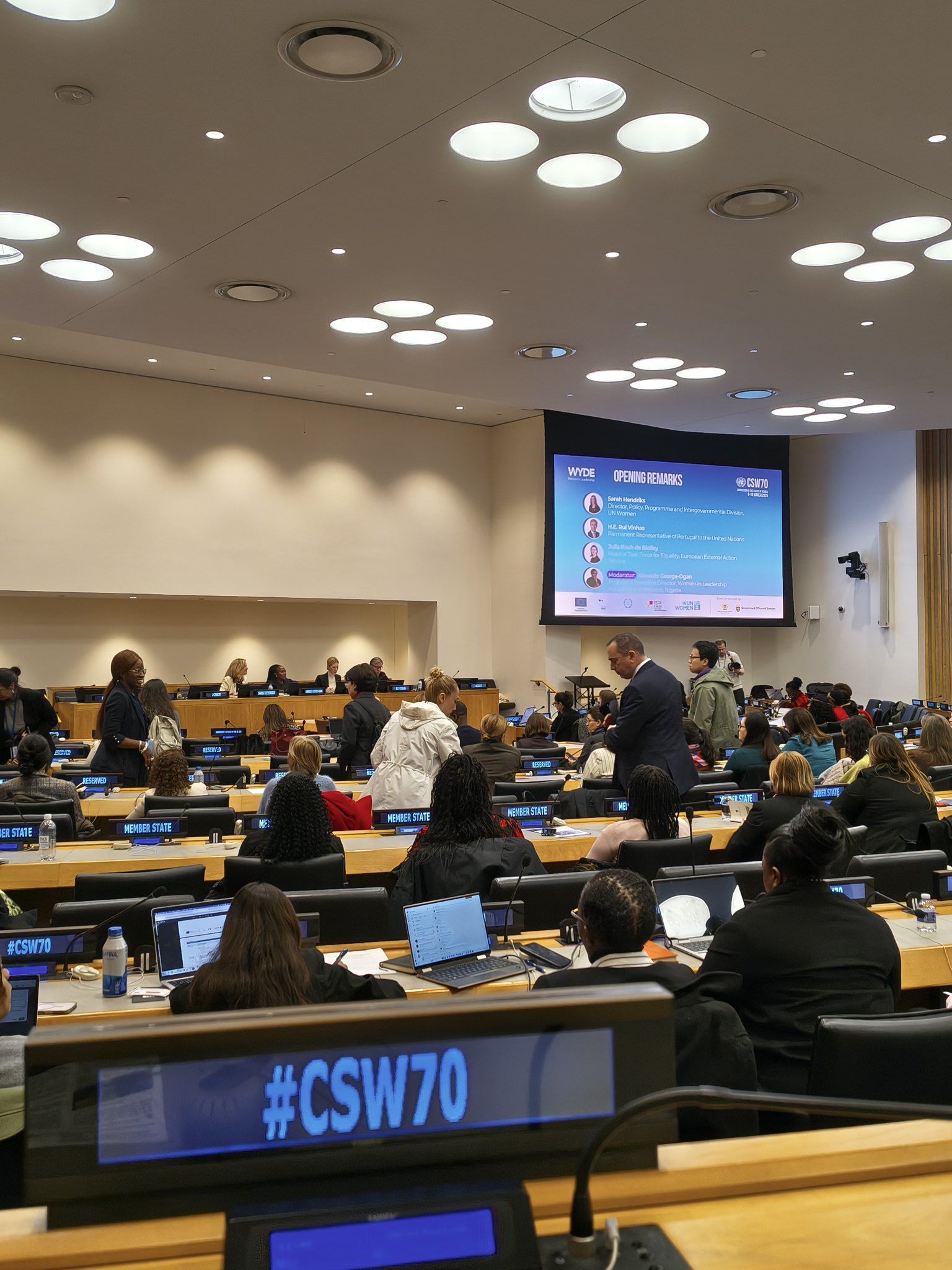
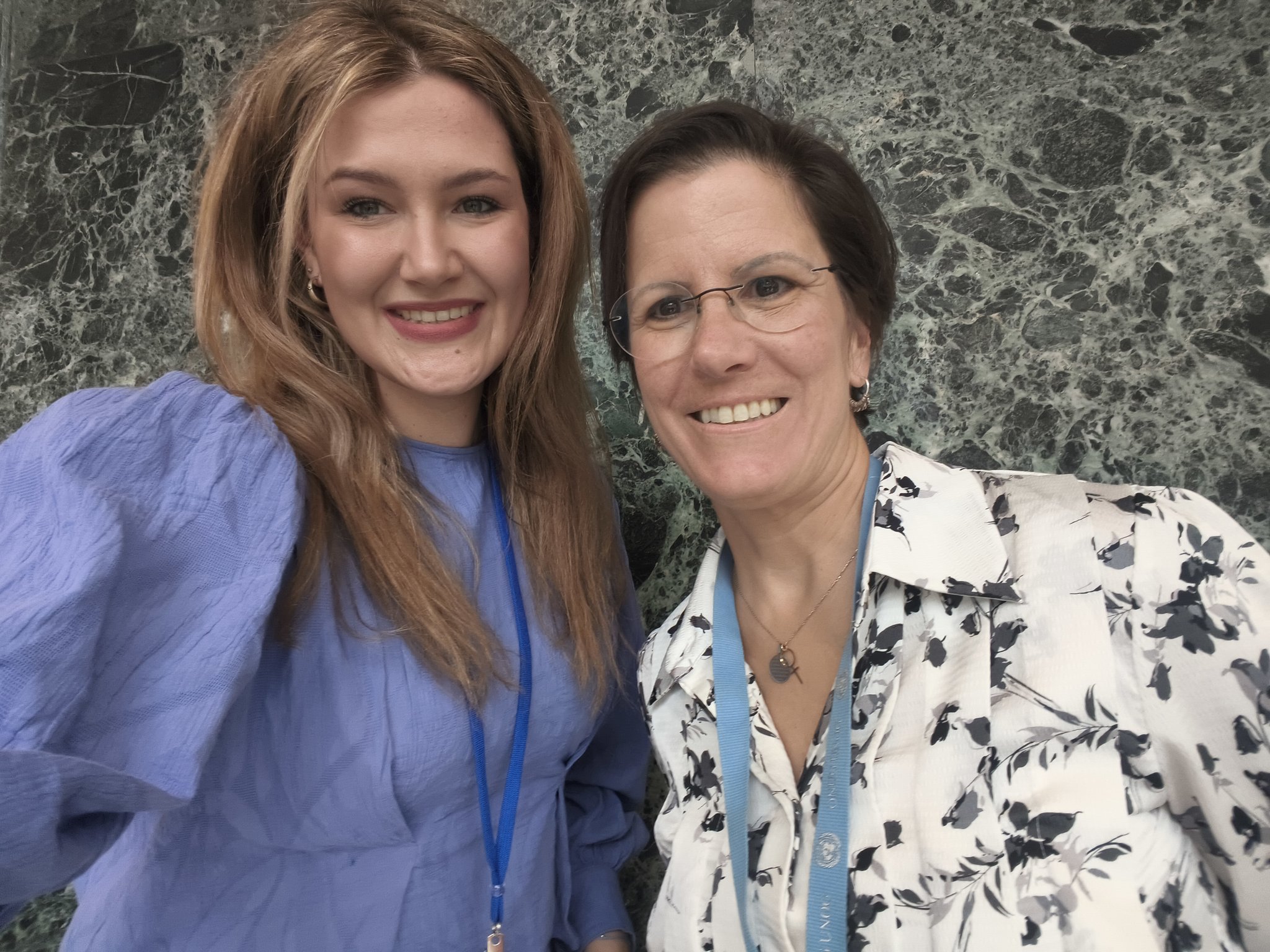
Representatives of the Ordo Iuris Institute’s Center for International Law attended the 70th session of the Commission on the Status of Women in New York.
2
Julia Książek and Sylwia Leszczyńska took part in numerous side events held alongside the session, covering, among other topics, violence against women, maternity protection, surrogacy, and digital security.
3
The Ordo Iuris delegation also held a private meeting with the UN Special Rapporteur on violence against women and girls, Reem Alsalem.
4
During the session, the growing influence of pro-family and pro-life groups and the intensifying ideological debate at the UN were evident. Intensive negotiations were also underway on the final document (Agreed Conclusions), which provides global guidelines for public policy on gender equality.
5
The Ordo Iuris Institute actively participated in debates, promoting solutions based on national sovereignty and the protection of the dignity of women, motherhood, and the family.

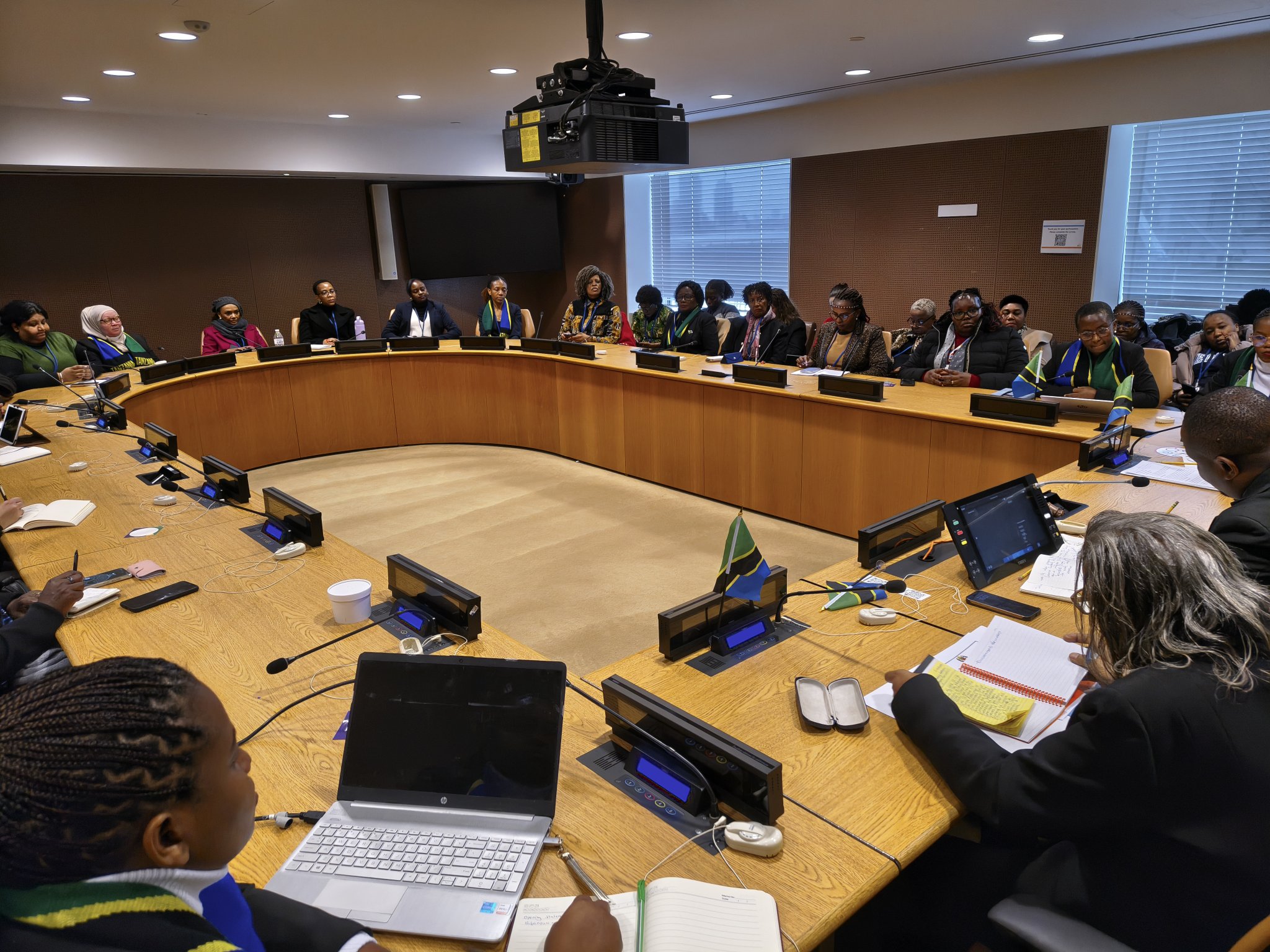
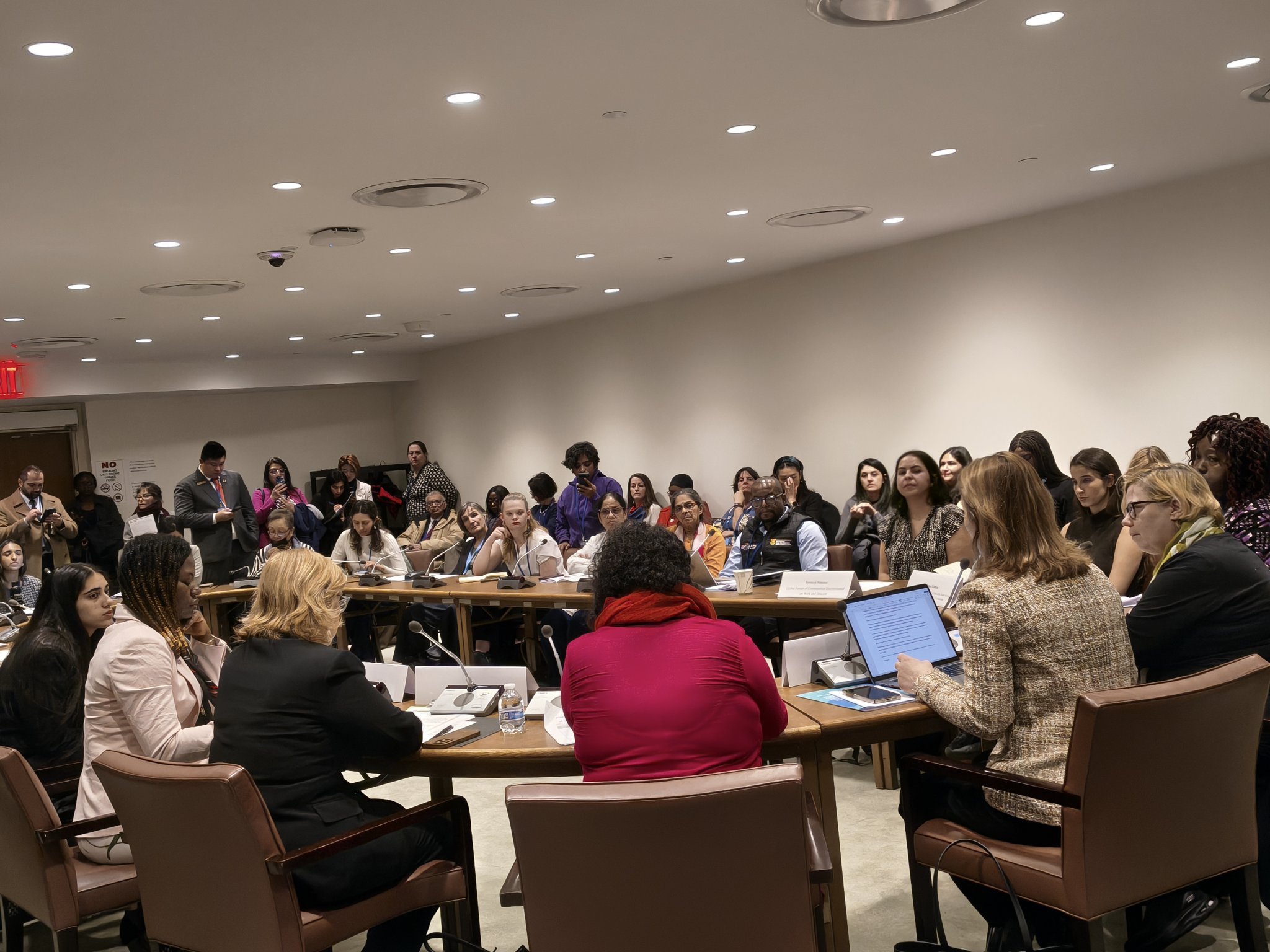
The 70th session of the United Nations Commission on the Status of Women (CSW70), held in New York from March 9–19, 2026, brought together government representatives, academics, delegates from international organizations, and civil society activists from around the world. This event is one of the most important global forums devoted to the status of women and to public policy directions in this area. Julia Książek and Sylwia Leszczyńska from Ordo Iuris participated in the session.
The central element of the Commission’s work is the negotiation of the final document.—Agreed Conclusions The process of its adoption is multi-stage and includes the preparation of a draft by UN experts, consultations with Member States, and detailed negotiations conducted during the session. Diplomats often negotiate the content of a document line by line, seeking to reconcile differing value systems and political priorities. The adopted document is not legally binding; however, it constitutes an important reference point for national policy directions and the actions of international organizations. Ordo Iuris will soon publish an analysis of this act.
During this year’s session, an important element of the negotiations was the proposal by the United States to clarify the term “gender” by referring to the definition contained in the Beijing Declaration and Platform for Action. It was there that this term raised numerous doubts among the deliberating states. Accordingly, at the urging of a large group of UN Member States, the Chair of the Beijing Conference clearly stated that the English word “gender” was used in its ordinary, generally accepted sense, as in UN documents, with reference to the non-binding declarations appended in the early 1990s to the final documents of UN conferences. It was also emphasized in this position that there was no intention to assign a new meaning to this term that would differ from the commonly accepted one, namely the one that in English refers to the male and female sexes. During CSW70, this issue once again highlighted the ongoing tensions over the interpretation of core concepts used in international documents.
One of the more important aspects of the Ordo Iuris Institute delegation’s participation in the session was a private, in-person meeting with the UN Special Rapporteur on violence against women and girls, Reem Alsalem. The conversation covered, among other things, the analytical work of the Ordo Iuris Institute and the current challenges related to the functioning of the UN system. The two representatives of the Ordo Iuris Center for International Law presented their work to date and their positions on the protection of women and children and, of course, on the issue of surrogacy.
During the CSW70 side events, the Special Rapporteur repeatedly drew attention to the issue of surrogacy, reiterating that children in surrogacy arrangements may be “exposed to harm even before birth,” and that the practice is largely driven by economic factors.
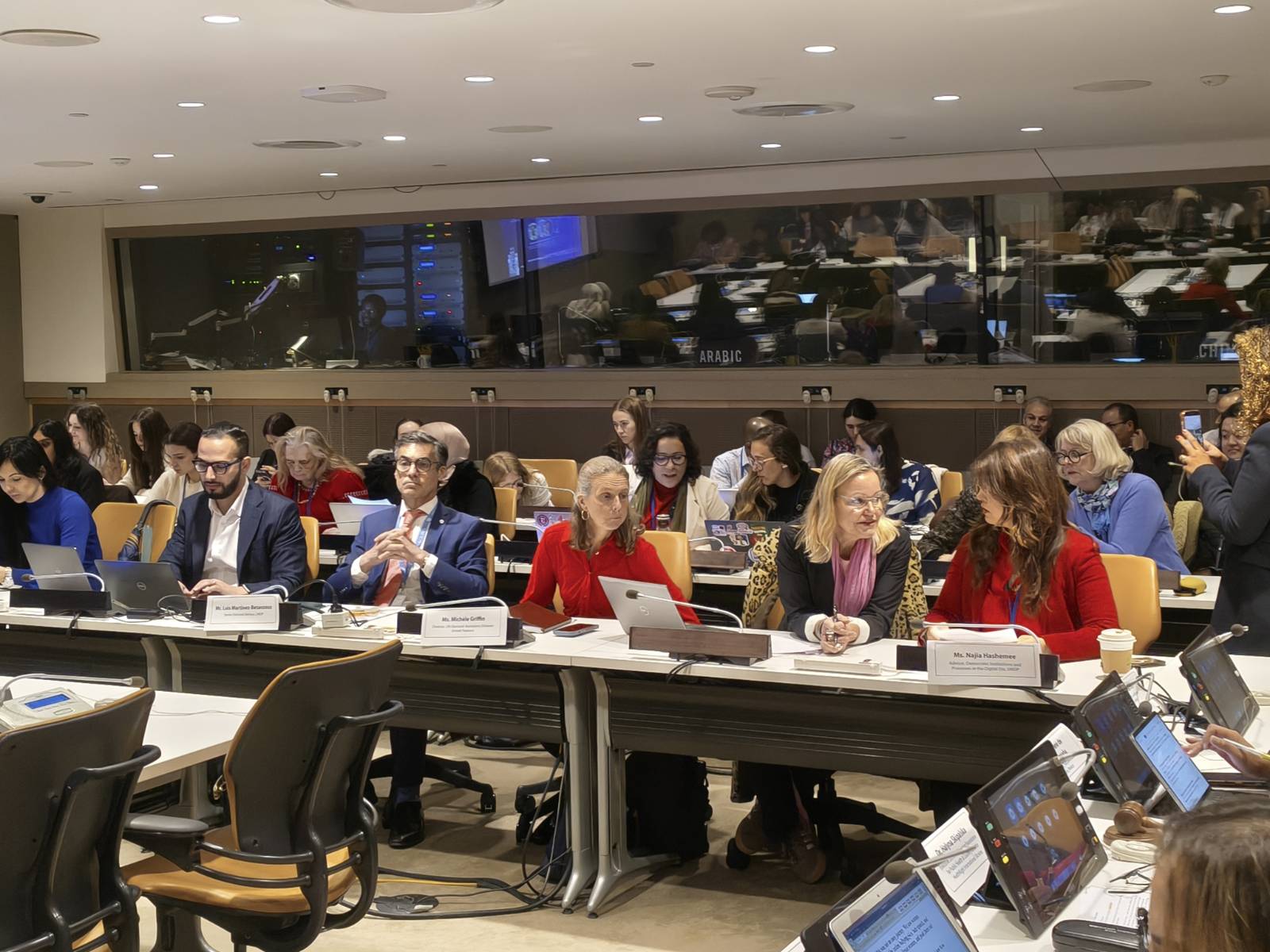
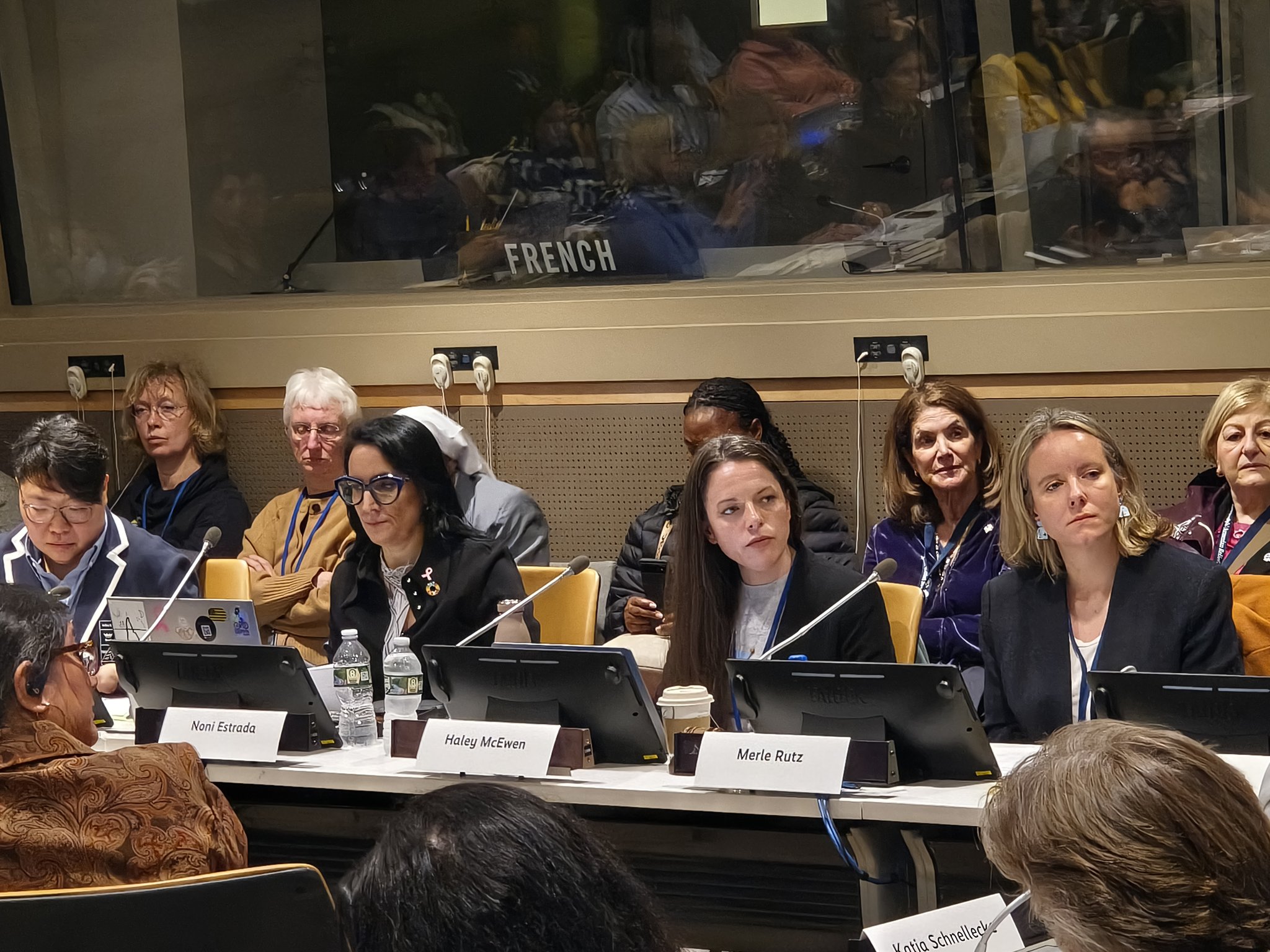
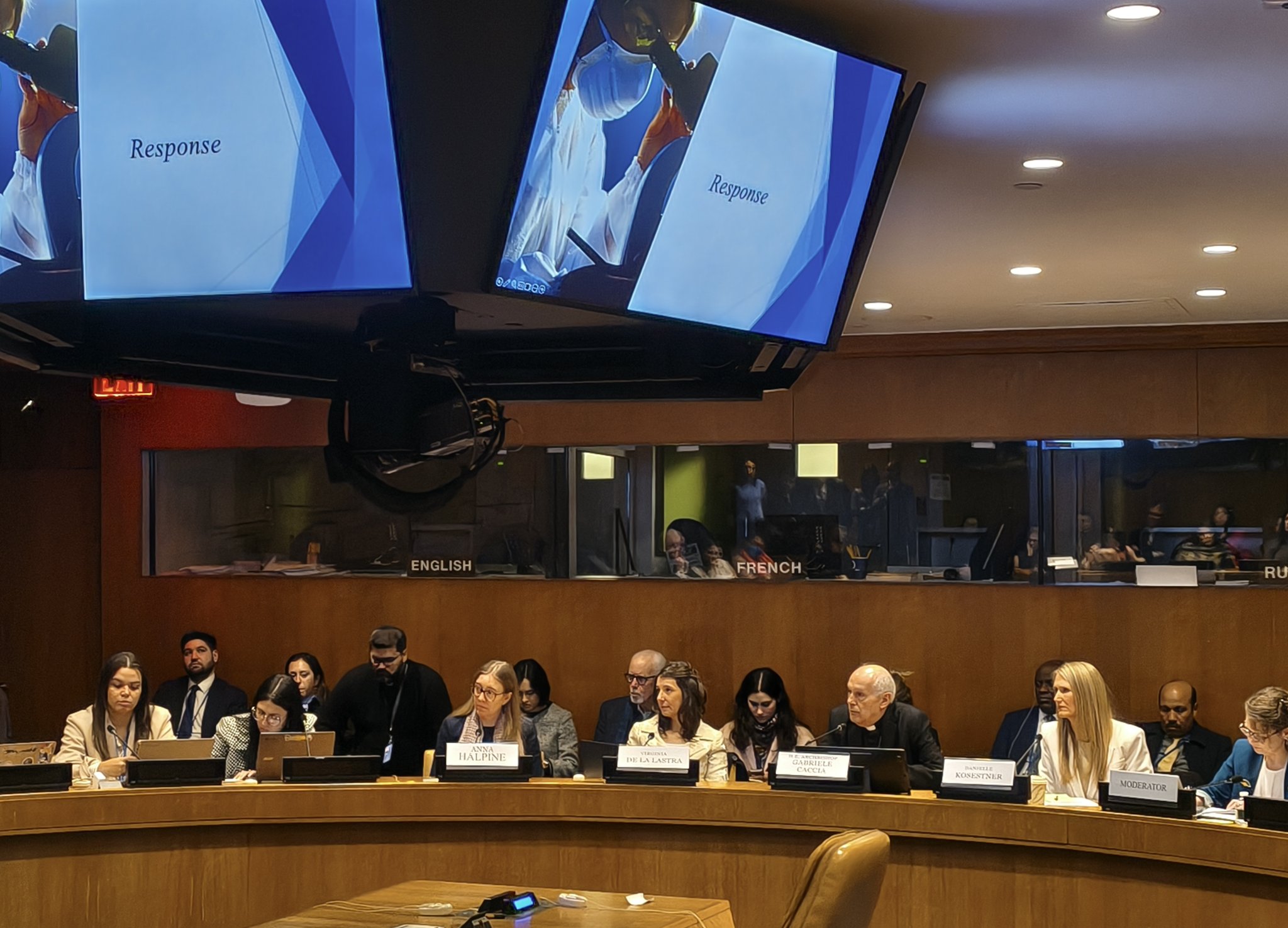
Additionally, Julia Książek and Sylwia Leszczyńska participated in numerous side events, which covered a wide range of topics, including:
- prevention of violence against women and girls,
- sexual violence in armed conflicts,
- female genital mutilation,
- access to justice,
- the impact of new technologies on the situation of women.
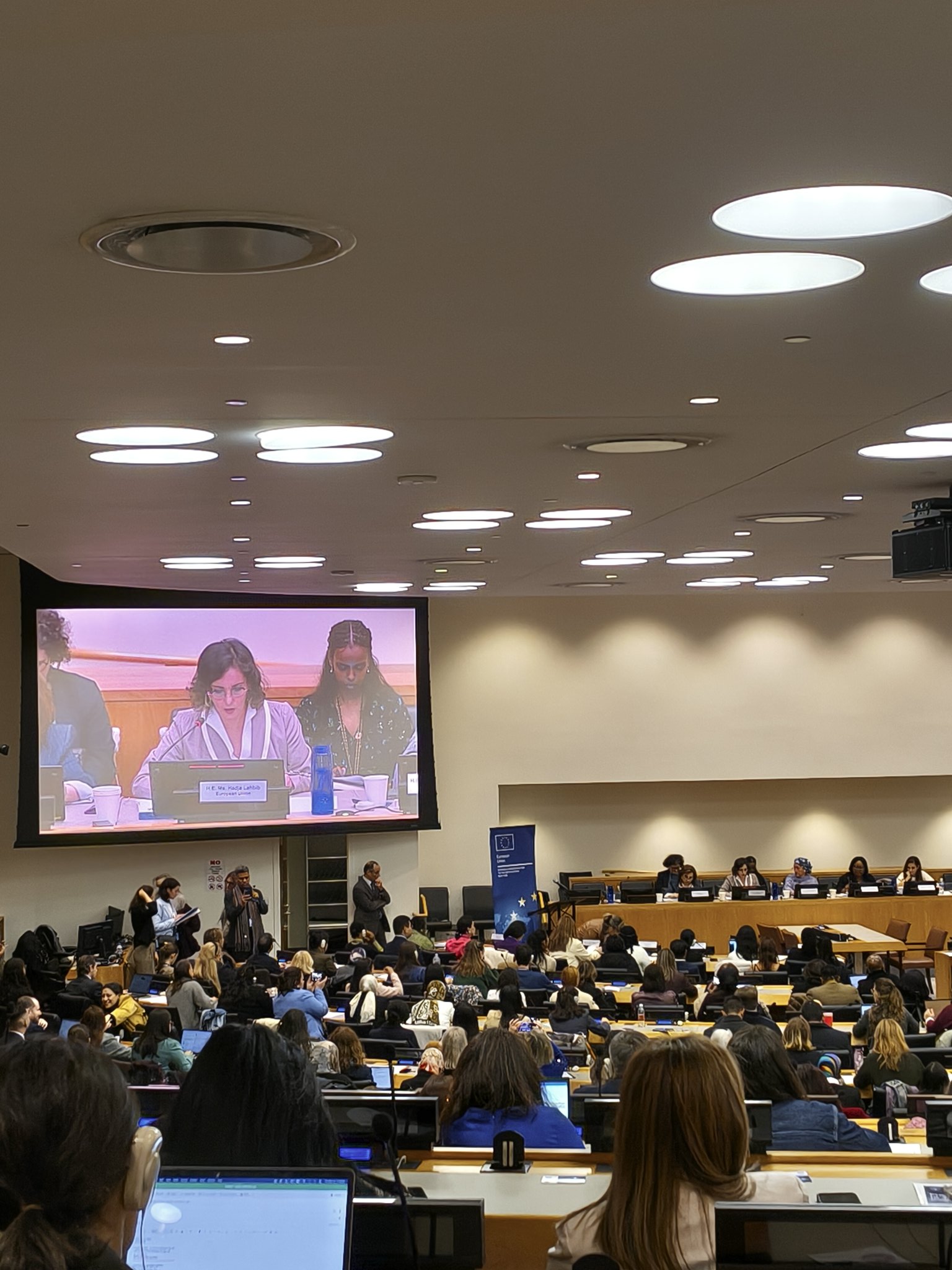
During a high-level meeting of the European Union and the Group of Friends for the Elimination of Violence against Women and Girls, EU representatives emphasized their commitment to combating violence. The Ordo Iuris Institute, however, drew attention to inconsistencies in the actions of European institutions, including the recent decision by the European Commission to finance activities related to abortion with EU funds, in many cases contrary to the constitutional orders of the member states.
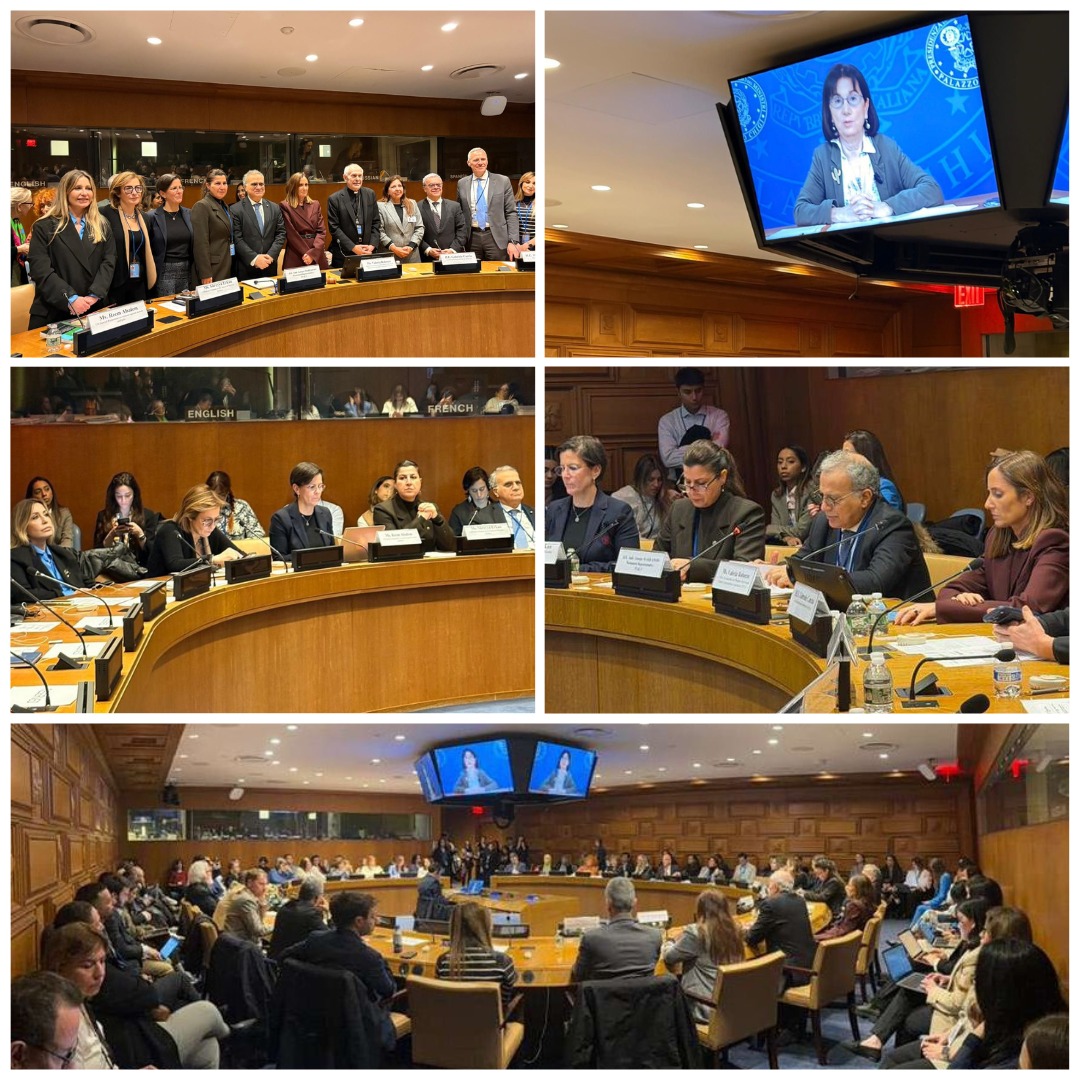
An important topic of the debates was the issue of surrogacy. During an event organized by the Holy See and the Italian government, Eugenia Roccella spoke, pointing out that surrogacy constitutes a serious violation of the dignity of women and the rights of children and should be subject to appropriate legal regulations. Female representatives of Ordo Iuris supported this position and emphasized that the phenomenon of so-called surrogacy carries the risk of objectifying women and commercializing their reproductive capacity, which requires a decisive response from the international community.
During the session, much attention was also paid to the growing problem of violence against women in the digital space. It was noted that coordinated hate campaigns, online harassment, and other forms of digital violence are outpacing current legislation. The need to strengthen cooperation among governments, the technology sector, and civil society organizations was emphasized. At the same time, Greet Vermeylen—the European Commission’s delegate for gender equality—announced European Union measures to counter online mechanisms that infringe on women’s rights. The representatives of the Ordo Iuris Institute pointed out that, of course, women should be protected from every form of violence, just like any other person, but these measures should also take into account the protection of freedom of speech and the fundamental principles of the rule of law.
The debates at CSW70 revealed clear ideological differences among the participants. During some of the side events, there were calls to counter conservative and pro-life groups. According to Ordo Iuris, this indicates the growing importance of an international coalition of pro-family organizations, which is increasingly making its presence felt within UN structures. The rise in the influence of these groups is reflected both in the way debates unfold and in the reactions of their opponents.
Participation in CSW70 constitutes another element of Ordo Iuris’s active engagement in the international debate on women’s rights. The Ordo Iuris Institute consistently promotes an approach based on a holistic understanding of human rights, taking into account both the dignity of women and the importance of motherhood and the family.
“This year’s session of the Commission on the Status of Women showed how rapidly the international debate on women’s rights is changing. The presence of groups that emphasize the importance of protecting life, motherhood, and the family as integral elements of human rights is increasingly evident. At the same time, we are observing strong ideological tensions that affect the course of the negotiations and the content of the proposed documents. Discussions about surrogacy and new technologies are particularly important, as they pose entirely new challenges for the international community. In our view, it is necessary to conduct an honest, fact-based debate that takes into account both the need to protect women from violence and respect for their dignity and the dignity of their children, including the unborn. This year’s participation in CSW70 confirms that the voice of organizations such as Ordo Iuris is needed and increasingly heard on the international stage,” notes Julia Książek of the Ordo Iuris Center for International Law.
Photos: Ordo Iuris
