1
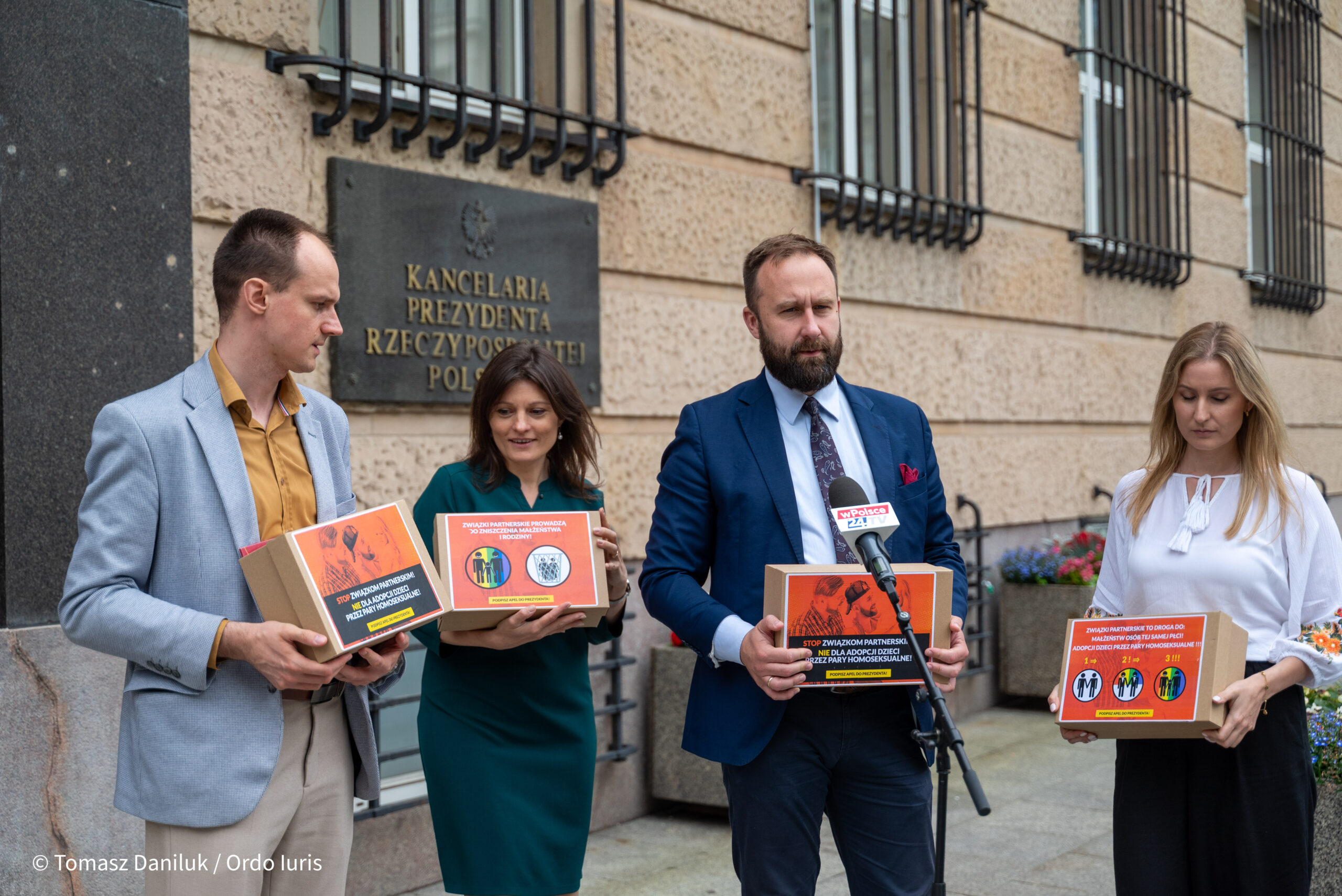
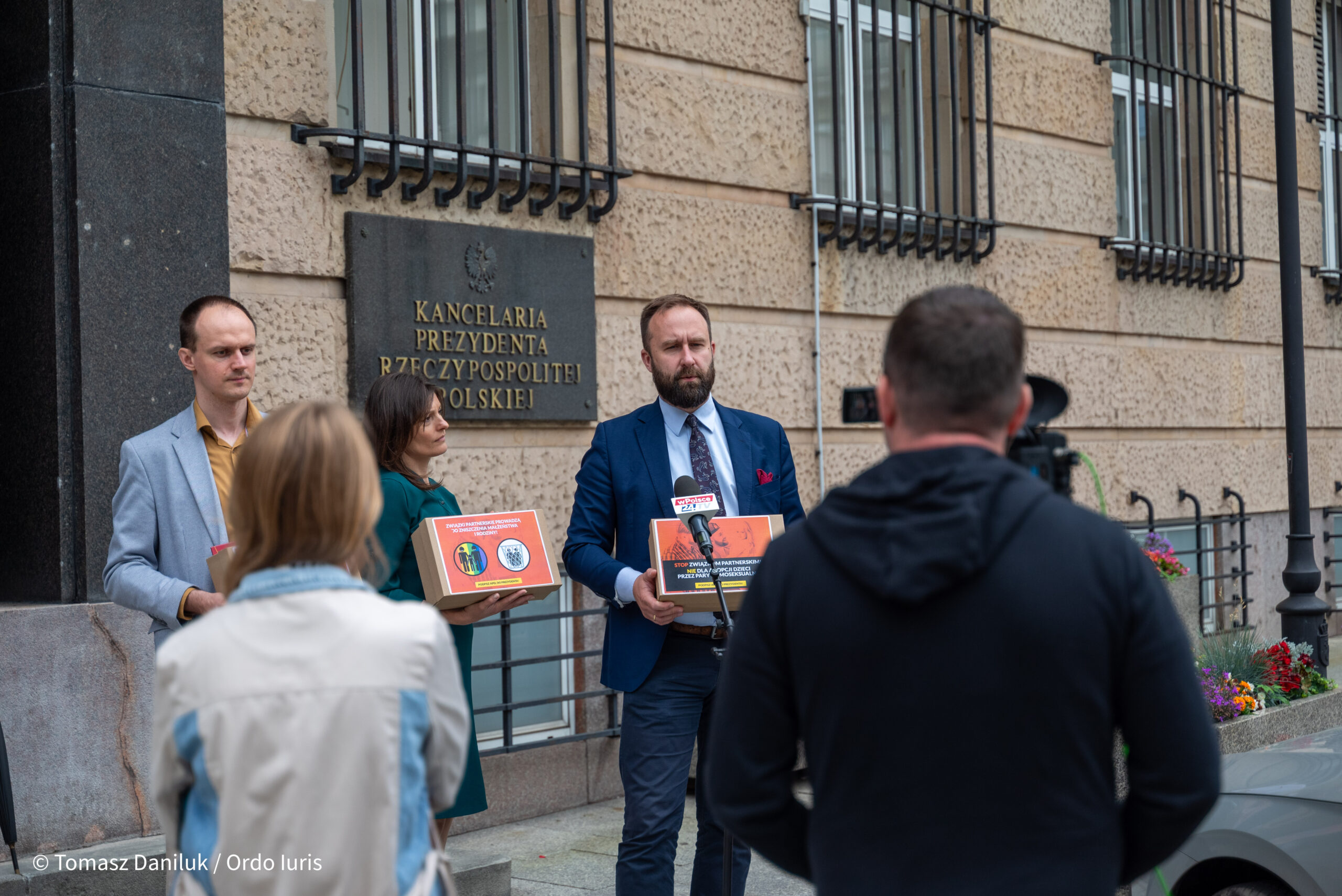
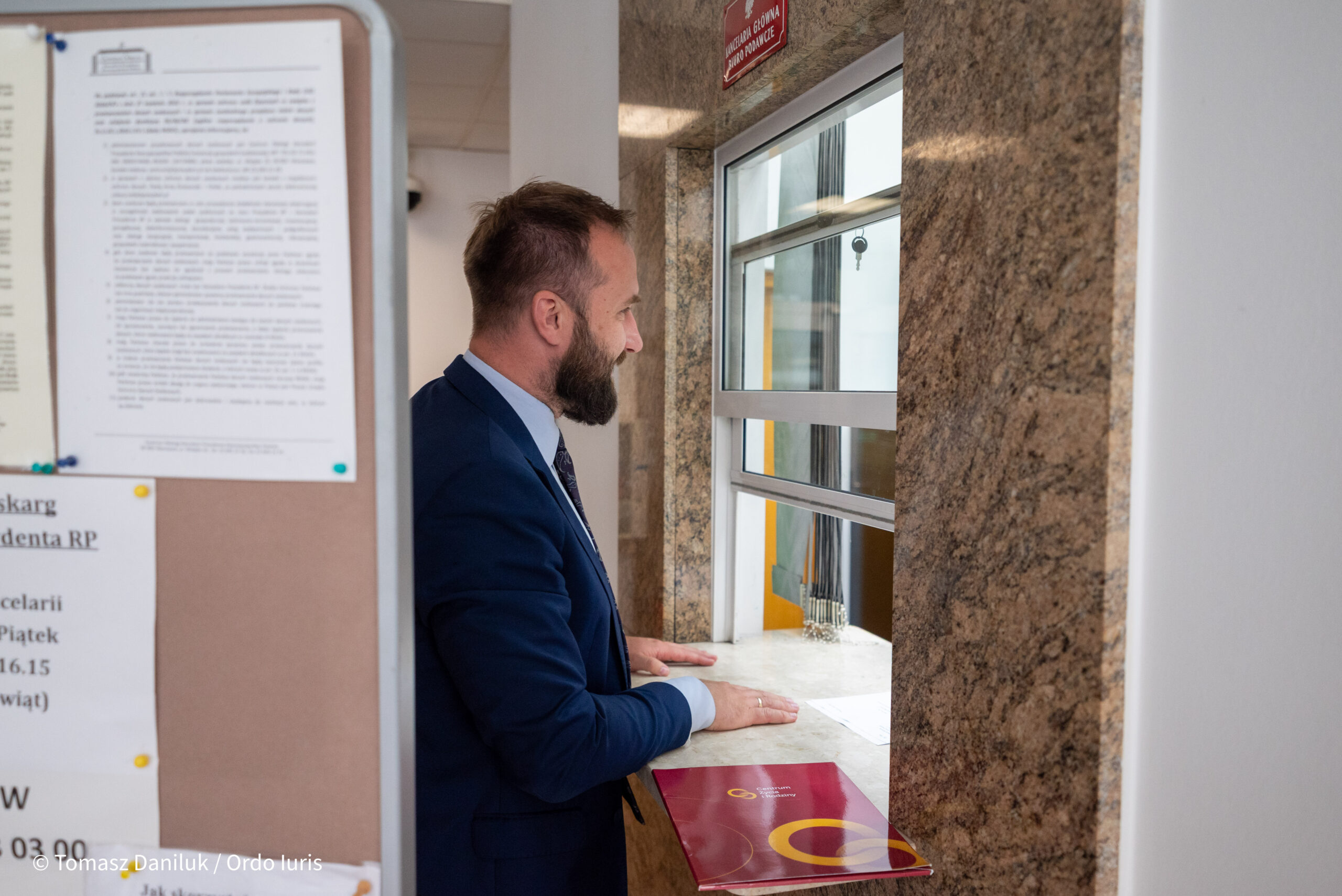
The Ordo Iuris Institute and the Center for Life and Family submitted over 62,500 signatures at the Chancellery of the President of Poland under the appeal “Stop Civil Partnerships.”
2
The signatories call on President Karol Nawrocki to veto the act on closest-person status passed by Poland’s Sejm.
3
In the organizers’ assessment, the act introduces civil partnerships under a changed name and conflicts with Article 18 of the Polish Constitution, which protects marriage as a union of a woman and a man.
4
Marcin Perłowski, director of the Center for Life and Family, warned that the regulation is a step toward destroying the institution of marriage and opens the door to same-sex “marriages” and adoption of children by same-sex couples.
5
The appeal’s authors point out that marriage is being weakened during a demographic crisis, when the state should be strengthening stable families.

Over 60,000 Votes Against the Act
On Thursday, July 2, representatives of the Ordo Iuris Institute and the Center for Life and Family submitted more than 62,500 signatures collected under the appeal “Stop Civil Partnerships” at the Chancellery of the President of Poland. The signatories are asking President Karol Nawrocki to reject the act on the so-called status of the closest person passed by Poland’s Sejm, which the organizers of the campaign describe outright as a civil partnerships act under a changed name.
Marcin Perłowski, director of the Center for Life and Family, recalled during the conference that civic mobilization on this matter has been under way almost since the beginning of the current parliamentary term. “When the current government’s term began, at the start of 2024, we launched the ‘Stop Civil Partnerships’ petition, because the government had announced that it would seek to introduce into Polish law an institution that would be an imitation of marriage and would grant couples—especially same-sex couples—privileges similar to those of marriage,” Perłowski said.
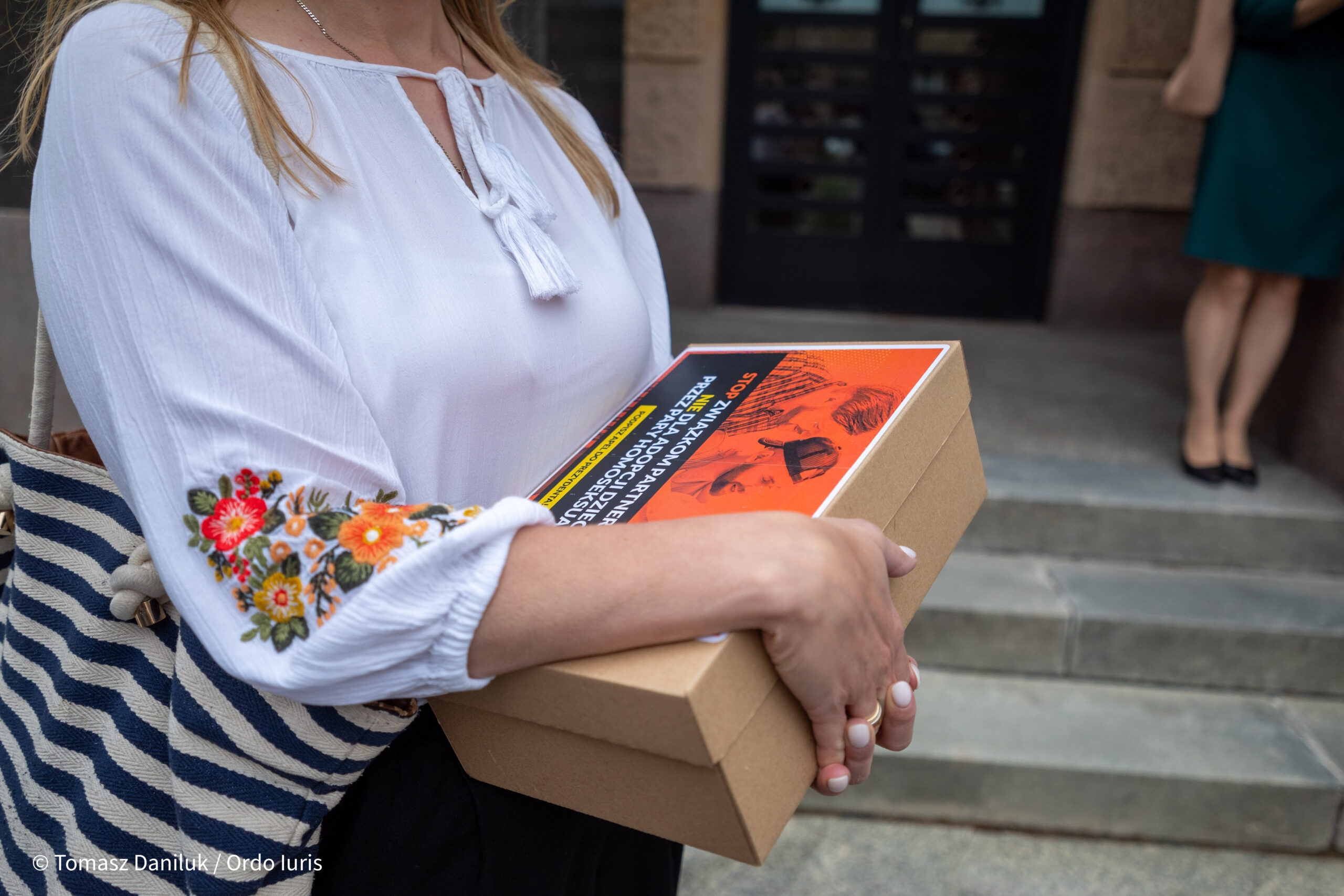
As he related, signatures under the appeal came in through two channels: via a dedicated website, stopzwiazkompartnerskim.pl, and in traditional form. A significant portion of the votes gathered consists of signatures made by hand on individual sheets, which signatories sent to the organizers of the campaign. It was these documents, assembled in numerous packages, that were presented to journalists before being handed over to the Chancellery of the President.
From “Civil Partnerships” to “Status of the Closest Person”
The director of the Center for Life and Family drew attention to the evolution the government’s plan to institutionalize civil partnerships had undergone over the course of two years. The petition initially called for a veto from President Andrzej Duda, and after the change in the office of head of state its addressee became President Karol Nawrocki. The draft bill itself also changed—as Marcin Perłowski put it, the act had “metamorphosed” over that time and ultimately took the form of the act on the status of the closest person.
In the assessment of the conference’s organizers, however, the change of name does not alter the substance of the regulation. The authors of the appeal point out that the solutions passed by the Sejm are in conflict with Article 18 of the Polish Constitution, which defines marriage as a union of a woman and a man remaining under the protection and care of the Republic of Poland. Introducing into the legal system an institution granting couples—including same-sex couples—privileges close to those of marriage means, de facto, a circumvention of the constitutional principle and a weakening of the position of marriage in Poland’s legal order.
“A Step Toward Destroying the Institution of Marriage”
The director of the Center for Life and Family emphasized that the signatories’ concerns relate not only to the current shape of the act but above all to the direction in which it is steering Polish family law. “We believe—and so do all the signatories, of whom there are more than 62,500—that this act is in essence a step toward destroying the institution of marriage in Polish law. In the more distant future its consequence will be to make it possible for same-sex couples to marry, as well as to adopt children,” Marcin Perłowski warned.
This argument corresponds with the experience of Western European countries invoked by the authors of the appeal. They point out that the institutionalization of civil partnerships often proved there to be merely a prelude to the introduction of so-called full “marriage equality,” also encompassing the right to adopt children by same-sex couples. The signatories further note that the weakening of the institution of marriage is occurring at a moment of deepening demographic crisis, when the state should instead be strengthening stable families rather than creating legal alternatives to them.
An Appeal for a Presidential Veto
The conference ended with a direct call addressed to the head of state. “We do not agree to this, and we do not want solutions of this kind to appear in the Polish legal system. That is why today we are submitting 62,500 signatures to President Karol Nawrocki with an appeal to veto this act,” Marcin Perłowski declared.
The Ordo Iuris Institute and the Center for Life and Family appeal for the President of Poland to remain the guardian of the constitutional order and to reject solutions leading to the legalization of so-called civil partnerships. They also recall that protecting marriage as a union of a woman and a man and supporting stable families is a constitutional duty of the state and, at the same time, a condition for effectively countering the demographic crisis. The decision on the act on the status of the closest person now rests with President Karol Nawrocki.
The signatures submitted on Thursday are meant—as the organizers of the conference emphasized—to be a clear signal that citizens expect the head of state to use the right of veto and to halt changes that would permanently transform Polish family law.
See also:
- Act on Same-Sex Civil Partnerships Adopted by the Polish Sejm: Time for President Nawrocki’s Veto
- Poland’s draft “closest person” bill is “civil partnerships” under a new name
Photos: Tomasz Daniluk/Ordo Iuris